Archives: Activities
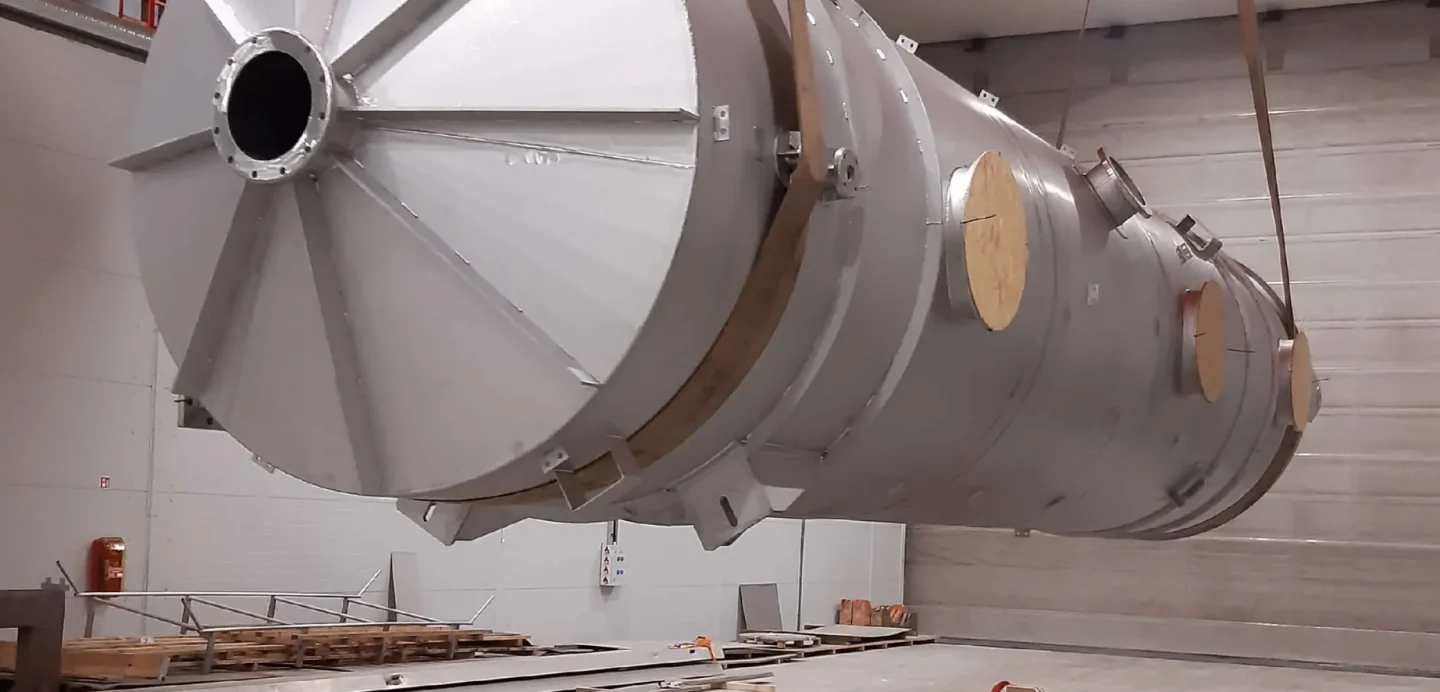
We deliver certified, high-precision components that form the backbone of modern large-scale hydrogen plants:
- Demineralized (Demin) and Deionized (Dei) water storage tanks: Specialized ultra-pure water storage systems essential for the longevity of industrial electrolyzer membranes.
- Process Separators/Scrubbers: Stainless steel vessels for efficient gas-liquid separation (Oxygen/Water and Hydrogen/Water) post-electrolysis.
- Hydrogen Buffer Tanks: Custom pressure vessels for gaseous hydrogen storage, designed according to PED 2014/68/EU standard.
- Electrolyzer Frameworks & Skids: Heavy-duty, vibration-resistant stainless steel structures for mounting stacks, power electronics, and cooling systems.
- Prefabricated Piping Modules: Complex stainless steel manifolds and piping networks optimized for fast on-site integration.
- Thermal Energy Storages: Specialized Insulated prefabricated stainless steel tanks for integrated heat recovery systems within hydrogen production facilities.
Cryogenic Storage Solutions: Advanced double-walled stainless steel tanks for Liquid Hydrogen (LH2), engineered to maintain structural integrity at temperatures as low as -253°C.
Engineering the Future of Decarbonization
Transitioning to a global hydrogen economy demands infrastructure that guarantees ultra-purity and safety while enduring the extreme physical demands of hydrogen processing, high pressures, and cryogenic storage.
Western Technological Solutions provides high-performance stainless steel structures and specialized tanks tailored for the entire hydrogen value chain.
We are committed to supporting global decarbonization by ensuring your large-scale hydrogen projects are safe, efficient, and future-proof.
Stainless Steel Solutions for Hydrogen Plants
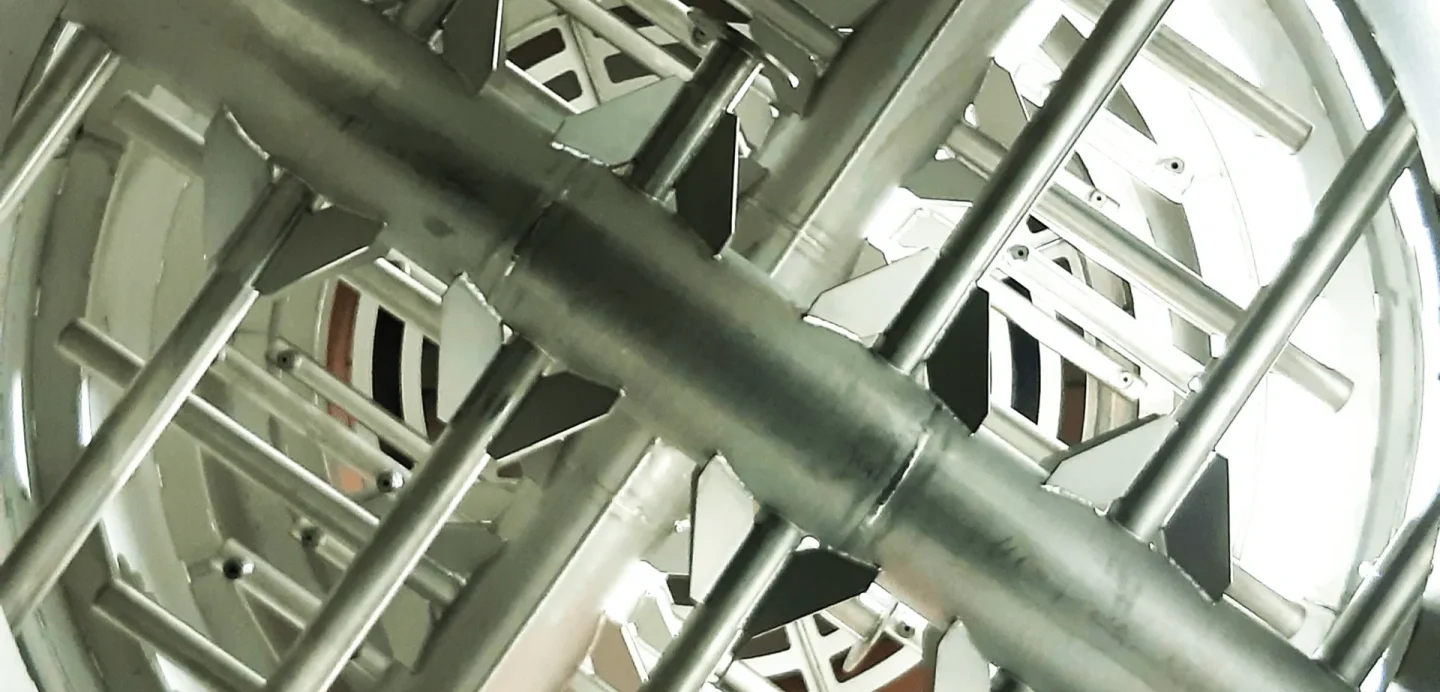
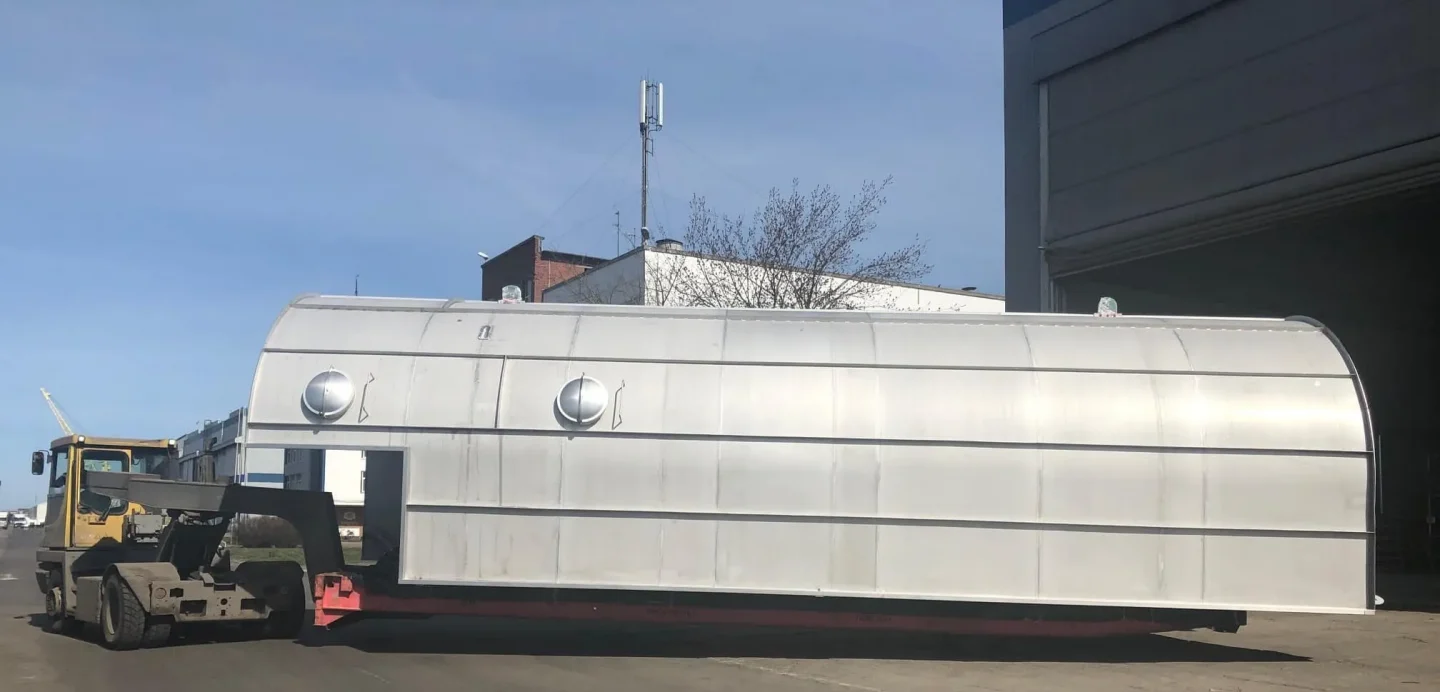
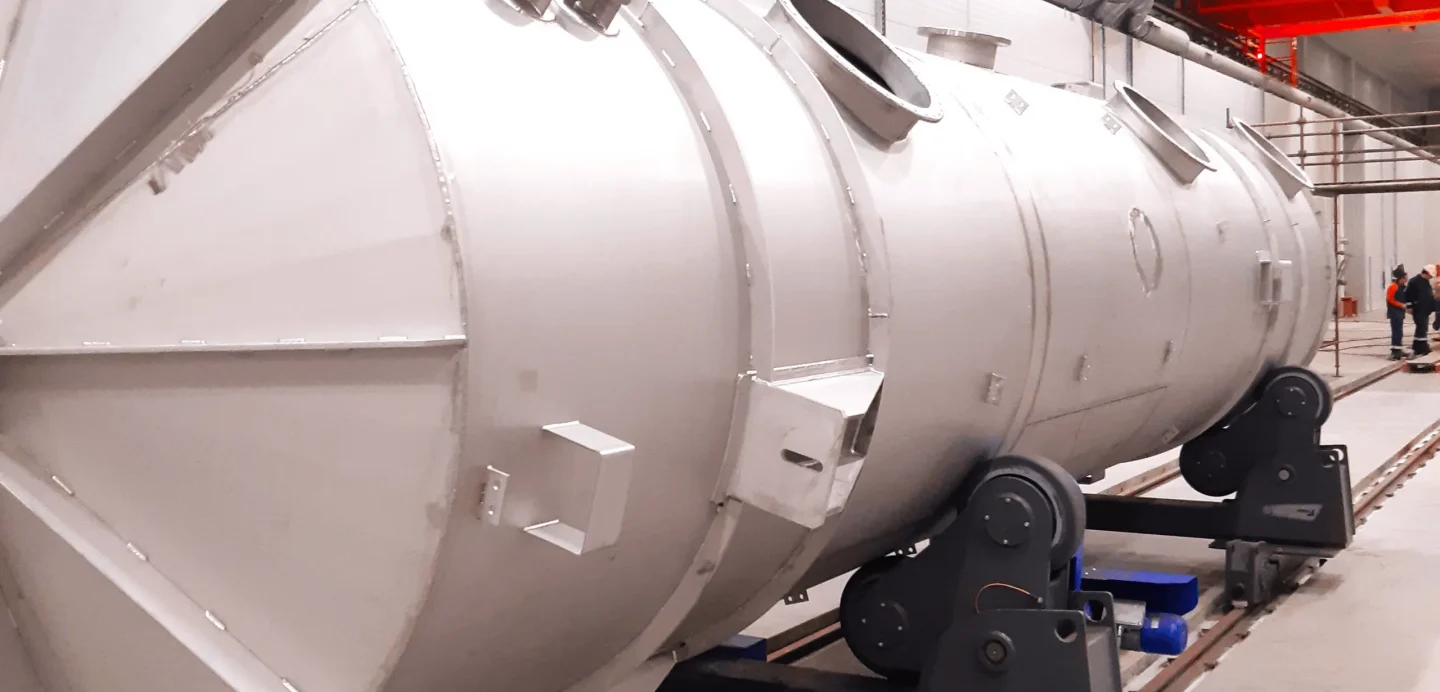
Western Technological Solutions delivers advanced stainless steel and aluminum equipment that directly supports Europe’s transition toward a net-zero future, lower emissions, cleaner air, cleaner water and environmentally responsible industrial operations. As part of the Western Shipyard Group and BLRT Grupp, the company manufactures large‑scale process equipment used across Hydrogen, Carbon Capture, Marine, Power, Chemical, Oil & Gas, Mining, Food, Water treatment, Wastewater treatment and Environmental industries.
We specialize in the fabrication of complex, large-scale stainless steel systems designed for air purification, carbon sequestration, and sustainable water management.
Our environmental product line is built on decades of engineering excellence, modern infrastructure at the Western Shipyard port pier in Klaipeda, and strict compliance with ISO and European manufacturing standards. We specialize in producing corrosion‑resistant, long‑lifetime large-scale equipment designed to minimize environmental impact throughout its full operational cycle.
Our Key Environmental Products and Systems:
We design and manufacture high‑efficiency scrubbers used to reduce harmful emissions in marine, energy, and industrial sectors. Flue Gas Desulfurization (FGD) systems play a critical role in removing sulfur oxides (SOₓ), particulates, and aggressive process gases, enabling cleaner exhaust streams and regulatory compliance.
Industrial scrubbers are designed to “wash” exhaust gases. As hot gases pass through the system, they are sprayed with a chemical slurry to neutralize pollutants like sulfur dioxide SO2. This process creates a highly acidic environment and involves abrasive particles. By utilizing Duplex and high-alloy stainless steels, we ensure maximum resistance against sulfuric acid corrosion.
- CO₂ Capture and Absorption Equipment
Carbon capture involves separating CO2 from industrial emissions before it reaches the atmosphere. The process often uses amines or other chemical solvents that become corrosive when heated during the “stripping” phase, where CO2 is separated for storage.
Our portfolio includes stainless steel absorbers, quenchers, and related CO₂ capture components used in large-scale decarbonization projects across Europe. These systems support industrial clients in reducing carbon emissions and meeting EU climate goals. Western Technological Solutions specializes in engineering and manufacturing stainless steel equipment for carbon capture and environmental applications.
- Electrostatic Precipitators (ESP)
Electrostatic precipitators provide extremely efficient removal of solid particles from flue gases. These units are widely used in chemical, power generation, and process industries.
We manufacture heavy-duty ESP casings and internal components that capture fine dust and pollutants from industrial exhaust, ensuring compliance with EU air quality directives.
These systems use high-voltage electrostatic charges to remove fine dust and smoke particles from exhaust gases.
These units are often the first line of defense after a furnace, meaning they must handle flue gases at temperatures exceeding 300°C to 400°C.
Thermal-stable steel frameworks prevent the internal electrodes from warping, which would otherwise short-circuit the filtration process.
Western Technological Solutions provides ESP units as part of its comprehensive environmental engineering portfolio.
- Demisters
Demisters, also known as mist eliminators, are essential gas‑purification components used to remove fine liquid droplets from gas and vapor streams. These separation devices play a critical role in ensuring clean gas output and preventing liquid carryover that can damage downstream equipment.
Commonly integrated into scrubbers, absorbers, evaporators, and pressure vessels, demisters use woven mesh pads, vane packs, or structured stainless‑steel elements to capture aerosols as small as a few microns. This high‑efficiency droplet removal significantly enhances process performance while protecting compressors, turbines, heat exchangers, and other sensitive machinery from contamination and fouling.
Constructed from corrosion‑resistant stainless steel, demisters offer long service life and reliable operation in demanding environments such as chemical processing plants, marine applications, and wastewater treatment facilities. Their robust design ensures optimal gas–liquid separation, reduced maintenance, and improved overall system efficiency.
- Ducting and Gas Handling Systems
We manufacture corrosion‑resistant duct systems, piping systems, and large‑format gas‑handling assemblies required for air treatment lines in environmental plants. These systems ensure safe, reliable transportation of high‑temperature or chemically aggressive gases, supporting long‑term operational performance.
The operation of municipal and industrial water treatment and wastewater treatment facilities is impossible without corrosion‑resistant storage tanks, dosing tanks, filters, process vessels, pressure vessels, reactors, degassers, and welded piping assemblies. These systems must withstand high chloride concentrations, aggressive chemical environments, and strict safety requirements. Stainless steel—particularly duplex and austenitic grades—ensures long‑term reliability, structural integrity, and extended service life for critical water treatment processes.
- Tanks, Filters, Piping, Structures for Sustainable Aquaculture
The shift toward Recirculating Aquaculture Systems (RAS) demands materials that prioritize fish health and system longevity.
Our offerings for the aquaculture sector include:
- Biosecure Reservoirs & Tanks: Unlike plastic or concrete, our stainless steel tanks prevent biofilm buildup and bacterial colonization, ensuring a sterile environment for high-density fish farming.
- Filtration & Degassing Units: We manufacture complex mechanical filters and CO2 strippers that maintain water quality while minimizing environmental discharge.
- Durability in Harsh Environments: Our use of marine-grade alloys ensures that systems operating with saltwater remain corrosion-free for decades.
Sustainable Stainless Steel Engineering
Our environmental equipment is engineered primarily from austenitic and duplex stainless steels, which offer exceptional corrosion resistance, long service life, and natural material sustainability. Duplex stainless steels, in particular, support reduced lifecycle costs and environmental benefits, aligning with long‑term sustainability and operational efficiency goals. These materials deliver superior strength and corrosion resistance, making them ideal for modern environmental systems.
WTS offers more than just fabrication
we provide a strategic partnership for complex environmental projects:
- Large-Scale Capabilities: With the capacity to handle units up to 500 tons, pressure vessels and tanks 6 meters in diameter, we manage the projects others cannot.
- Port-Side Assembly: Located in the Western Shipyard port in Klaipeda, we offer direct sea-loading for oversized heavy environmental modules, reducing transport risks and costs.
- Certified Quality: Our welding and assembly processes meet the highest international standards (ISO, EN), ensuring the integrity of pressurized and hazardous-material systems.
Contact us today to discuss how our stainless steel expertise can power your next environmental infrastructure project!
Environmental Systems: Water & Flue Gas Treatment

Stainless Steel Tanks & Pressure Vessels for Energy
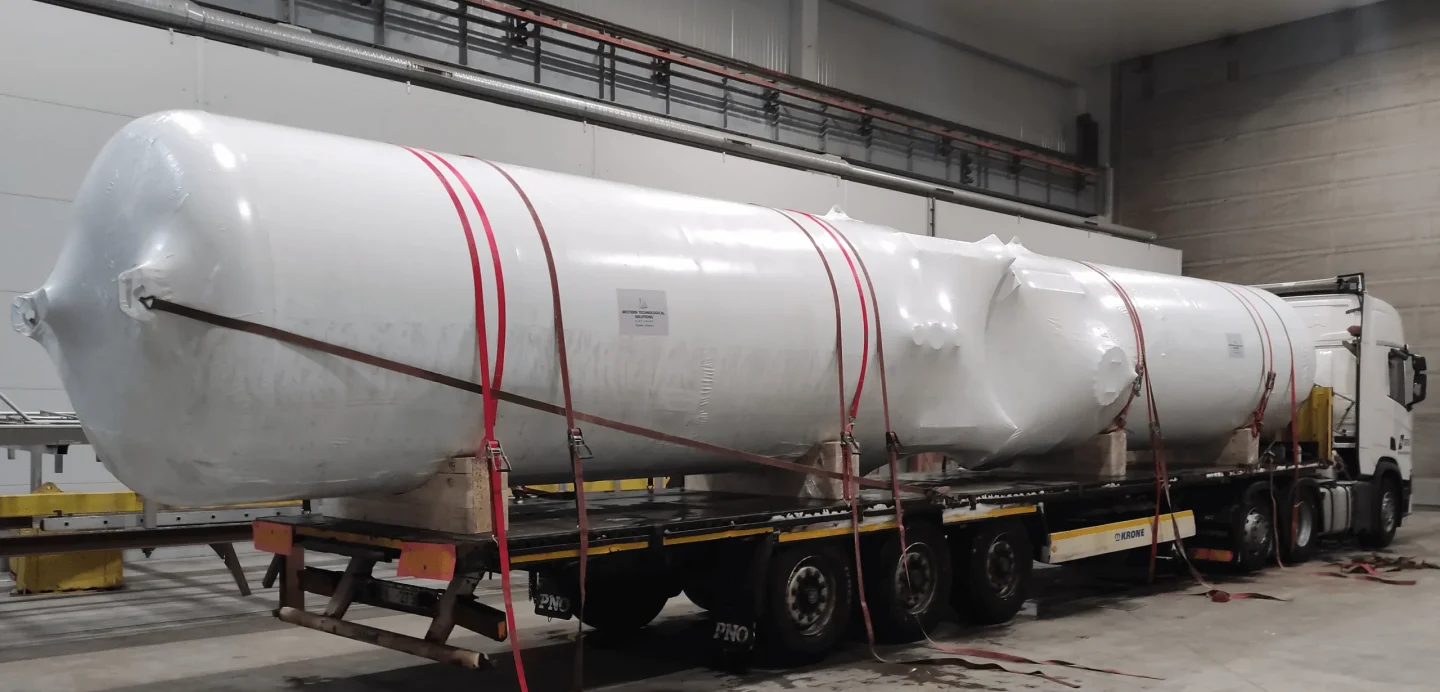
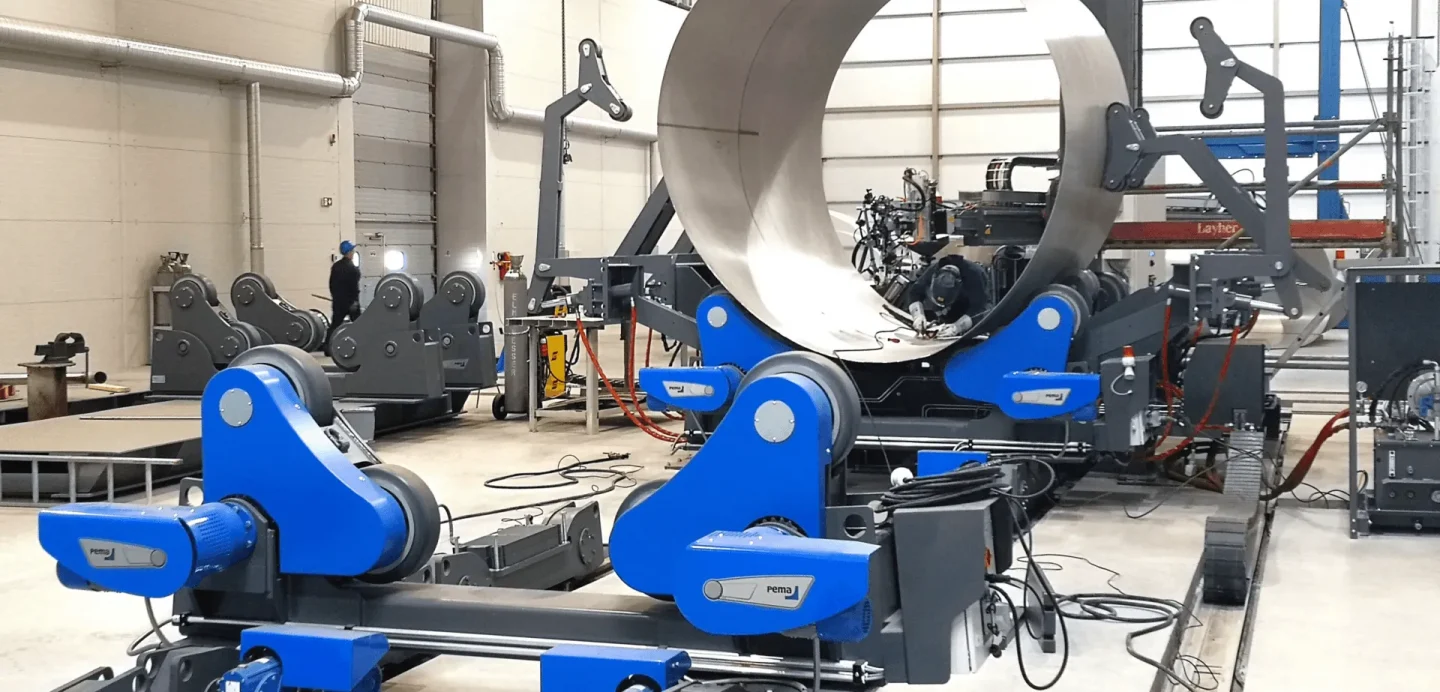
Western Technological Solutions (WTS) delivers advanced engineering and manufacturing solutions for the energy sector, supporting power generation, energy storage, hydrogen infrastructure, and decarbonization projects across Europe. With modern production facilities located directly on the Baltic Sea pier in Klaipeda, Lithuania, we manufacture and ship large-scale stainless steel tanks, pressure vessels, heat exchangers, towers, and process equipment for the most demanding energy applications.
Stainless Steel Tanks for Energy Applications
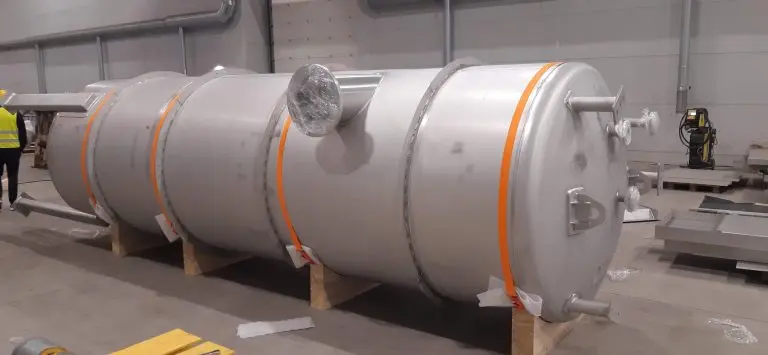
We design and fabricate custom stainless steel tanks for energy production and storage systems, including:
- Thermal Energy Storage (TES) tanks
- Deionized water storage tanks
- Demineralized water storage tanks
- Fuel storage tanks
- Condensate tanks
- Process and buffer tanks
- Custom-engineered atmospheric and near-pressure tanks
Our tanks are engineered to withstand high thermal loads, cyclic operation, and aggressive media, ensuring long service life and operational safety. Manufacturing is performed in full compliance with European standards and project-specific technical specifications.
Pressure Vessels for Power and Energy Infrastructure
WTS manufactures PED-compliant stainless steel pressure vessels used in:
- Power generation facilities
- Hydrogen production and storage systems
- Carbon capture and energy transition projects
- Industrial energy process units
All pressure vessels are designed and manufactured according to PED 2014/68/EU and relevant EN standards, combining structural integrity with corrosion resistance for long-term reliability in critical energy infrastructure.
Columns, Towers, and Process Equipment
For the energy industry, we fabricate large-format columns, towers, and vertical structures, including:
- Absorbers and scrubbers
- Process columns
- Waste heat boilers
- Exhaust and energy recovery towers
- Ducts
- Piping assemblies
- Welding assemblies
Our engineering team supports projects from 3D modeling and structural calculations to fabrication and delivery, ensuring seamless integration into EPC-managed energy systems.
Large-Scale Manufacturing and Marine Logistics Advantage
A key advantage of Western Technological Solutions is our ability to manufacture and handle oversized and heavy energy equipment, with individual assemblies weighing up to 500 tons. Direct access from our workshops to the sea pier enables us to ship completed tanks, pressure vessels, and towers by sea, significantly reducing site assembly risks and overall project timelines for energy projects across Europe and beyond.
Supporting Europe’s Energy Transition
WTS actively supports the transition toward low-carbon and sustainable energy systems, delivering manufacturing solutions for:
- Thermal energy storage systems
- Bio-methanol and E-methanol tanks
- Solar thermal energy facilities
- Hydrogen and alternative fuel infrastructure
- Carbon capture and environmental process equipment
Our experience in complex stainless steel fabrication enables energy companies and EPC contractors to implement innovative solutions that meet modern requirements for efficiency, safety, and sustainability.
Your Manufacturing Partner for Energy Projects
As a trusted partner of leading European engineering companies, Western Technological Solutions provides customized stainless steel solutions for energy projects where scale, complexity, and regulatory compliance matter. From concept to delivery, we ensure that every tank, pressure vessel, and heat exchanger meets the highest standards of quality, safety, and performance.
Contact us today to discuss your energy project
and receive a tailored technical proposal !

Chemical Industry Stainless Steel Towers, Tanks & Vessels
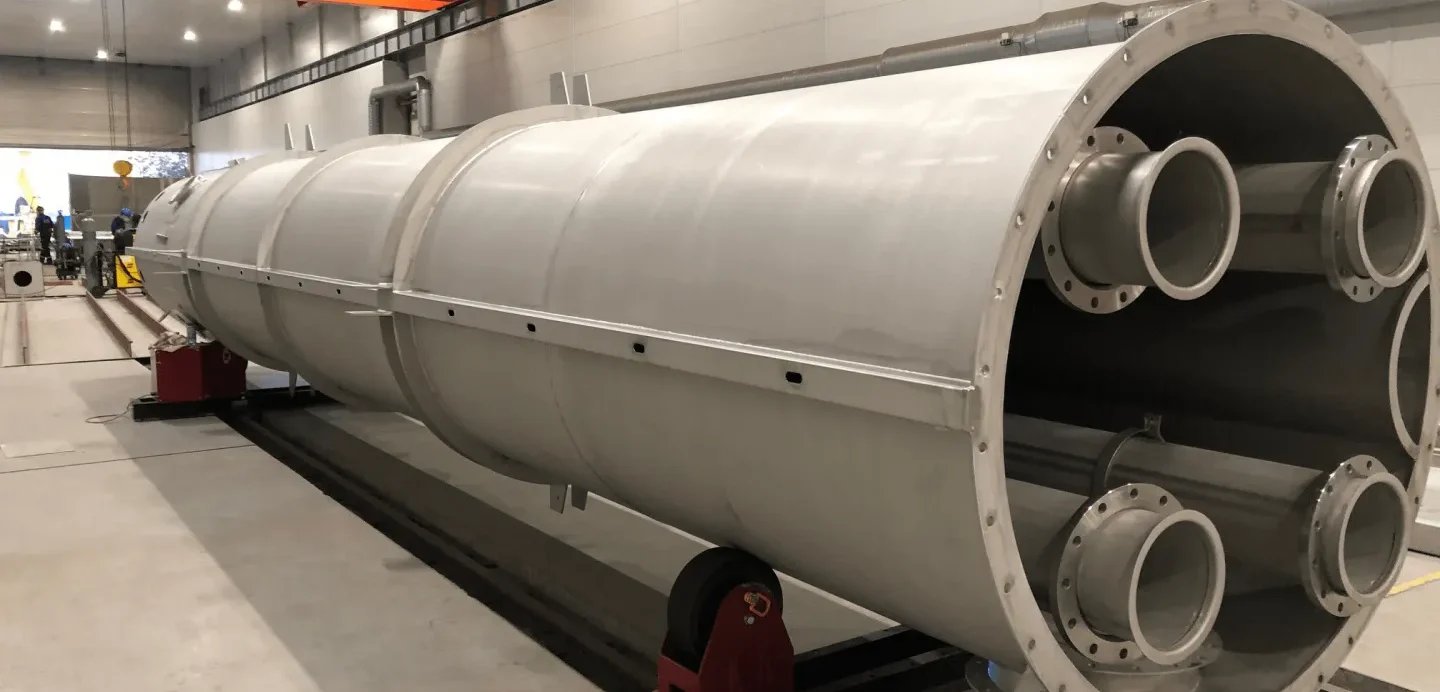
Western Technological Solutions (WTS) delivers engineering, fabrication, and delivery of large-scale stainless steel equipment for the chemical, petrochemical, and biochemical industries across the European Union. We specialize in PED-certified pressure vessels, towers, columns, evaporators, and process tanks designed for demanding industrial applications and long-term operational reliability.
Our solutions support EPC contractors, technology licensors and industrial end-users requiring custom-manufactured equipment compliant with European regulations and international standards.
PED Pressure Vessels for Chemical Applications
We manufacture PED 2014/68/EU compliant stainless steel pressure vessels for a wide range of chemical processes, including reaction, separation, storage and thermal treatment.
Our fabrication scope includes:
- Vertical and horizontal pressure vessels
- Reactors and autoclaves
- Heat exchanger shells
- High-pressure and high-temperature vessels
All pressure equipment is engineered according to project-specific requirements and manufactured in accordance with EN, ASME and customer standards.
Towers and Columns for Process Industries
WTS designs and fabricates process towers and columns used in distillation, evaporation, absorption, stripping and separation processes within chemical plants.
Typical equipment:
- Distillation and rectification columns
- Absorbers and scrubbers
- Fractionation and stripping towers
- Evaporators
- Tall and oversized structures with internal devices
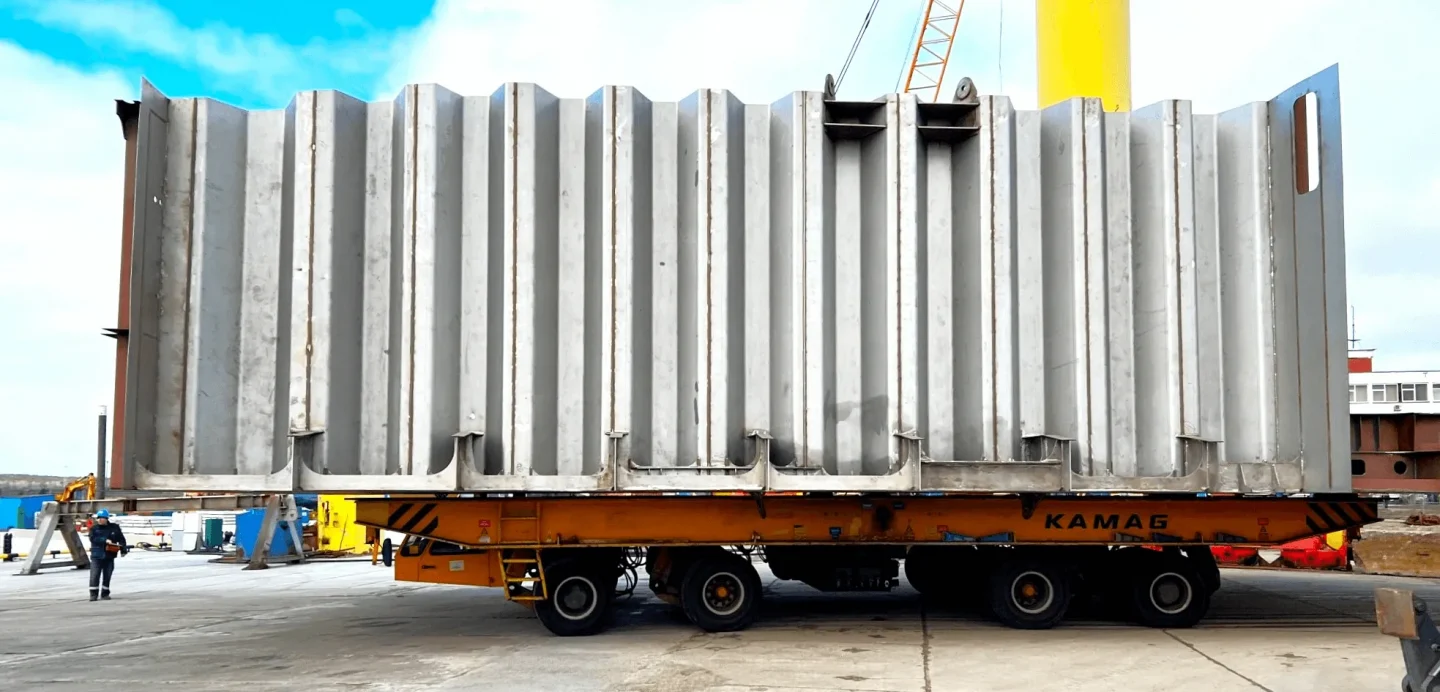
Our experience includes large-diameter cylindrical and rectangular high-elevation towers, engineered to accommodate various transportation methods, including Ro-Ro sea delivery, lifting operations, and site installation constraints.
Stainless Steel Process Tanks & Industrial Vessels
We supply custom, factory-build large stainless steel process tanks and atmospheric vessels designed for aggressive chemical media, continuous processes, and batch operations.
Manufacturing capabilities cover:
- Storage and buffer tanks
- Mixing and agitation tanks
- Homogenization Tanks
- Equalization Tanks
- Neutralization Tanks
- Dosing and blending vessels
- Tanks with Half-Pipe Heating and Cooling Jackets
- Process tanks with internal coils and nozzles
Typical materials include AISI 304 (EN 1.4301 / 1.4307), AISI 316L (EN 1.4404), Duplex (EN 1.4462), and Super Duplex (EN 1.4410) steels, selected based on corrosion resistance and specific process conditions.
Engineering, Fabrication & EPC Support
Beyond manufacturing, WTS provides comprehensive project support throughout the equipment lifecycle, ensuring seamless integration into EPC projects.
Our scope includes:
- Mechanical and strength calculations
- Fabrication drawings and documentation
- Non-destructive testing (NDT)
- Factory acceptance tests (FAT)
- Logistics for oversized and heavy modules, including Ro-Ro sea delivery
- Installation and insulation at the customer’s site
Our teams regularly handle heavy, oversized, and modular units with single-piece weights of up to 500 t, including sea transport and SPMT operations when required.
Quality, Compliance and Documentation
All chemical equipment is manufactured under a certified quality management system, ensuring full material traceability and comprehensive technical documentation throughout the project lifecycle. Compliance with EU safety, environmental, and regulatory requirements is ensured at every project stage, in accordance with applicable PED, EN, and industry standards.
Your Partner for Chemical Industry Projects in Europe
Western Technological Solutions is a reliable manufacturing partner for chemical, petrochemical, biochemical, and process industry projects across Europe.
We combine in-house engineering expertise, certified fabrication, and proven logistics capabilities to deliver robust, PED-compliant large-scale industrial equipment designed for long-term, safe operation in demanding chemical environments.
Contact our team to discuss your chemical equipment requirements!
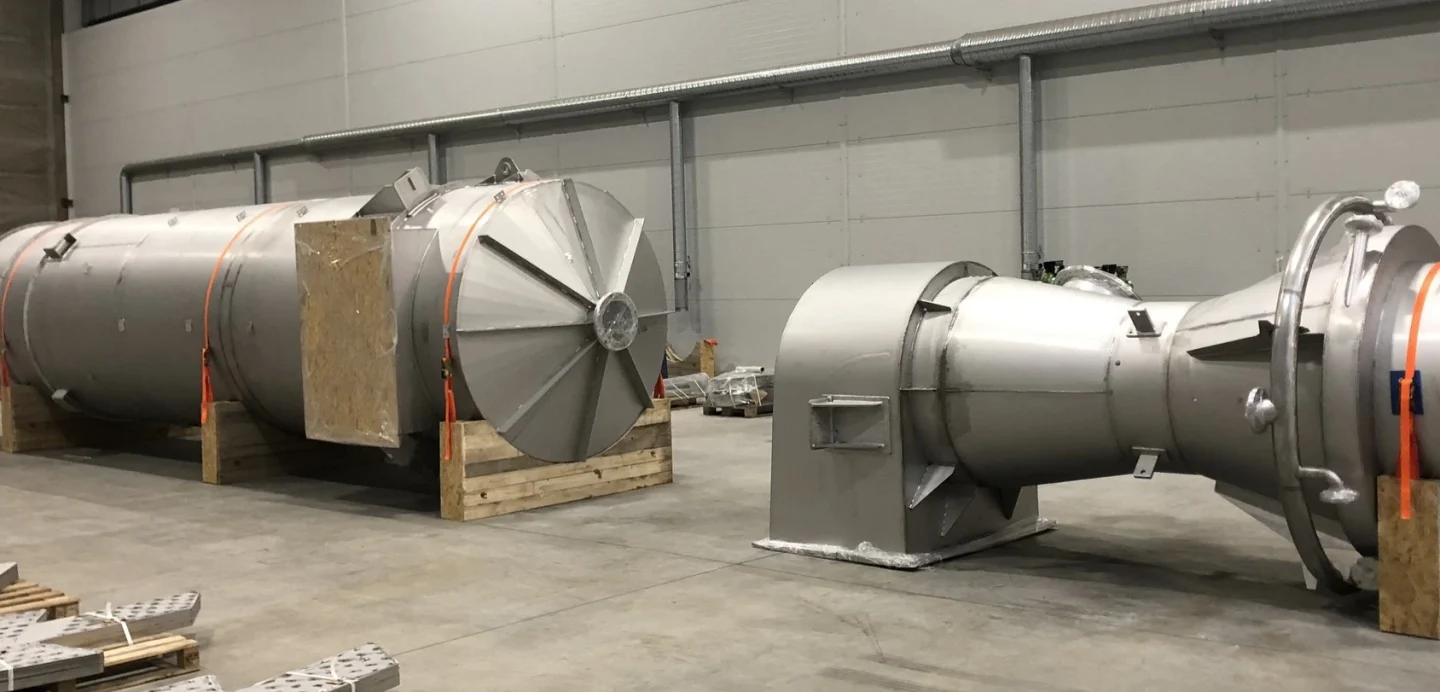
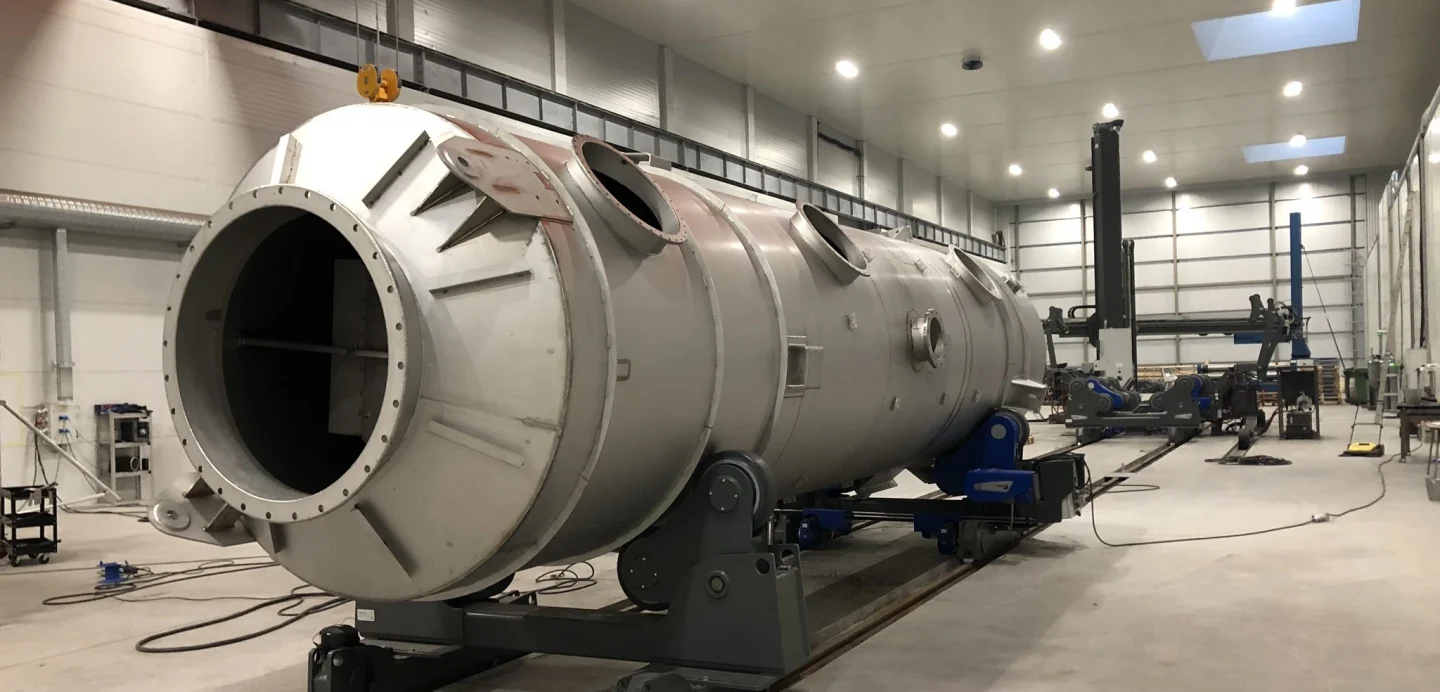
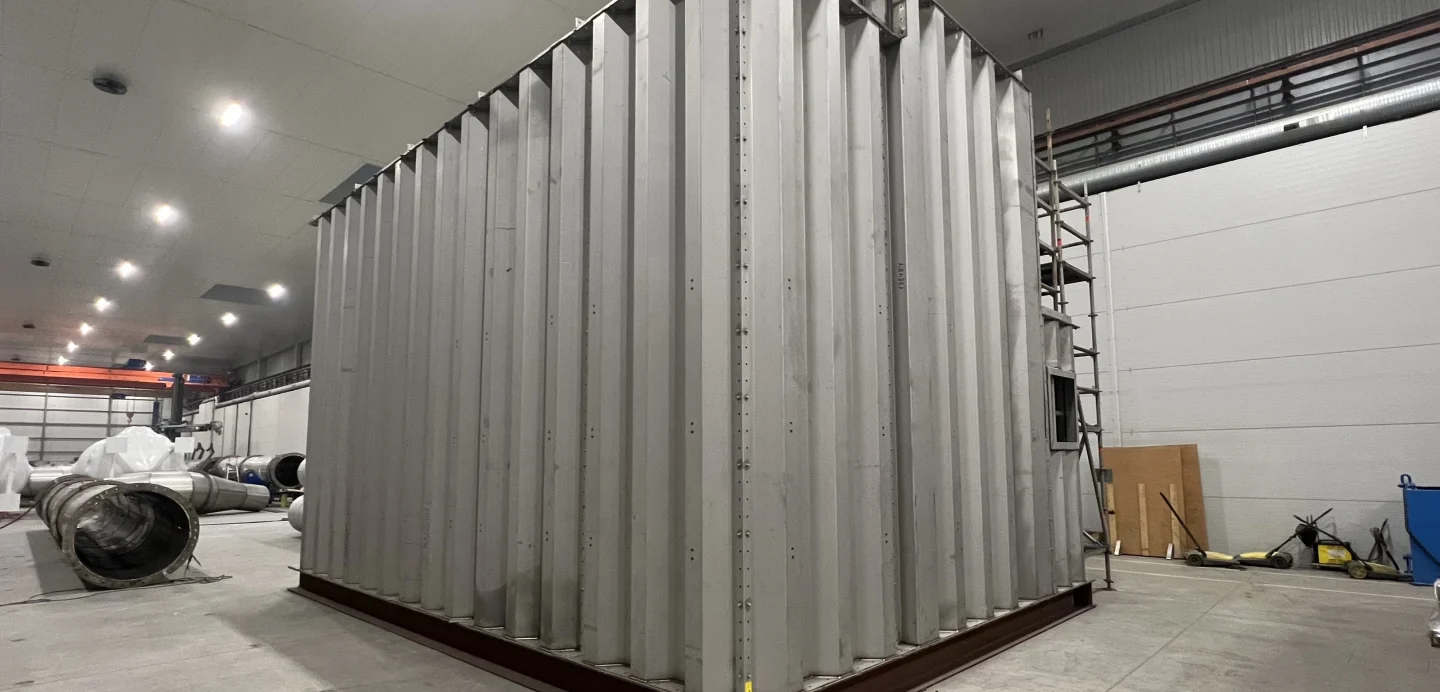
The maritime industry is undergoing a rapid technological transformation driven by stricter environmental regulations, new alternative fuels, and the demand for more efficient vessels. Shipbuilders and shipowners increasingly rely on advanced materials and high-precision manufacturing to meet these challenges.
Western Technological Solutions specializes in large‑scale stainless‑steel fabrication for the marine and offshore industries, delivering high‑quality, heavy‑duty, custom‑engineered components for ship construction, vessel retrofit projects, and a wide range of maritime industrial systems.
With extensive and proven expertise in producing marine scrubbers, piping systems, welded stainless‑steel and aluminum structures, pressure vessels, stainless‑steel and aluminum storage tanks, the company supports both newbuild vessel programs and complex retrofits — ensuring reliable performance, full regulatory compliance, and long‑term operational durability.
Located within the Western Shipyard industrial area on the Baltic Sea coast in Klaipeda, Lithuania, Western Technological Solutions operates a modern manufacturing facility capable of producing large stainless‑steel marine Waste Heat Recovery Systems, scrubbers, methanol tanks, urea tanks, storage tanks, piping systems, pressure vessels, welded structures and advanced emission‑control equipment — all of which can be transported directly by sea or installed directly on site at the Western Shipyard.
Our marine engineering solutions support shipbuilders and marine technology companies in Europe and worldwide.
Marine Engineering and Fabrication for Shipbuilding
Modern vessels require complex equipment and structural components designed to withstand harsh marine conditions, aggressive chemicals, and high mechanical stress.
Western Technological Solutions manufactures a wide range of stainless steel equipment used in shipbuilding, ship repair and retrofit, and offshore engineering.
Typical marine fabrication projects include:
Exhaust gas treatment equipment
- marine scrubber towers
- urea tanks for marine Selective Catalytic Reduction (SCR) Systems
- exhaust gas cleaning units
- absorber columns
- catalytic reactor housings
- stainless steel exhaust ducts
Fuel storage systems
- methanol fuel tanks
- piping systems
- welded aluminum LNG tank saddles and supports
- alternative fuel storage tanks
- chemical tanks
- waste and sludge tanks
Process and pressure systems
- pressure vessels
- Marine Exhaust Gas Economizers (EGE) or Waste Heat Recovery Systems (WHRS)
- industrial reactors
- heat exchangers
- filtration equipment
Structural stainless steel assemblies
- offshore modules
- structural frames
- support structures
- marine platform assemblies
All fabricated components are produced according to strict welding ISO 3834-2 and EN 1090-3 EXC3 standards and quality control procedures required by shipyards and classification societies.
Compliance with IMO and EU Maritime Emission Regulations
Environmental regulations are one of the main drivers shaping modern ship design and marine technology.
The International Maritime Organization (IMO) introduced strict global limits on sulphur emissions from ships through MARPOL Annex VI, which entered into force as part of the IMO 2020 regulation.
Under these rules:
- the sulphur content in marine fuel used globally is limited to 0.50% m/m
- in Emission Control Areas (ECAs) such as the Baltic Sea and the North Sea the limit is 0.10% m/m
To comply with these requirements, ship operators may either switch to low-sulphur fuels or install Exhaust Gas Cleaning Systems (EGCS), commonly known as scrubbers.
Within the European Union, the EU Sulphur Directive (Directive 2012/33/EU) further strengthens these requirements by imposing strict sulphur limits for ships operating in European waters and while at berth in EU ports.
These regulations have significantly increased demand for scrubber systems, emission control technologies and corrosion-resistant materials used in exhaust gas treatment equipment.
Integrating Energy Efficiency Measures (EEXI, CII, SEEMP)
Beyond sulphur limits, IMO now requires all ships to meet energy-efficiency regulations:
- EEXI – Energy Efficiency Existing Ship Index (Technical Measure)
Mandatory for all ships ≥400 GT, addressing design-related efficiency improvements.
- CII – Carbon Intensity Indicator (Operational Measure)
Annual rating (A-E) based on CO₂ emissions relative to transport work. Ships rated D for 3 consecutive years or E for 1 year must submit a corrective plan.
- SEEMP Part I / II / III – Ship Energy Efficiency Management Plan
SEEMP requires continuous improvement of operational efficiency and must include:
- fuel consumption data collection
- CII calculation
- 3-year improvement strategies
- corrective actions for low CII ratings
Waste Heat Utilization: A Key IMO-Recognized Energy Efficiency Measure
Waste Heat Utilization (WHU), also known as Waste Heat Recovery (WHR), is officially recognized by the International Maritime Organization (IMO) as an effective energy-efficiency measure that helps ships meet mandatory efficiency standards under MARPOL Annex VI, including EEXI, CII, and SEEMP requirements.
The IMO SEEMP guidelines explicitly list waste heat recovery (WHR) as an effective energy-efficiency measure:
“Waste heat recovery systems use thermal heat losses from the exhaust gas for electricity generation, heating, or propulsion.”
By integrating waste heat utilization systems such as:
- Exhaust Gas Economizers (EGE)
- Waste Heat Recovery Units (WHRU)
- Combined Heat & Power (CHP) modules
- Heat-to-electricity systems (e.g., ORC units)
operators can significantly reduce fuel consumption, lower CO₂ emissions, and improve a vessel’s CII rating, directly supporting compliance with IMO’s GHG Strategy.
Supporting the IMO 2023 GHG Strategy
The 2023 IMO Strategy on Reduction of GHG Emissions from Ships targets:
- Net-zero GHG emissions by around 2050
- At least 20% reduction by 2030 (striving for 30%)
- At least 70% reduction by 2040 (striving for 80%)
Waste heat recovery, energy-efficient design, and optimized operations form part of the short- and mid-term decarbonization measures envisioned by IMO.
Compliance with IMO and EU maritime emission regulations now requires a holistic approach combining:
- Low-sulphur fuel compliance
- Emission-control systems
- Technical and operational energy-efficiency measures (EEXI & CII)
- Deployment of waste heat utilization systems
- Continuous SEEMP implementation and performance monitoring
These regulatory frameworks drive the adoption of greener marine technologies and accelerate the maritime industry’s shift toward low-carbon, energy-efficient operations.
Waste Heat Utilization Supporting IMO Energy-Efficiency Compliance
ORC Systems for Advanced Marine Waste-Heat Utilization
Modern marine vessels, both existing fleets and newbuilds equipped with internal combustion engines running on traditional hydrocarbon fuels or alternative low-carbon fuels, still possess significant untapped energy-efficiency potential.
Historically, insufficient attention has been given to recovering low-temperature waste heat, despite the fact that marine internal combustion engines lose up to 50% of fuel energy as unused thermal discharge through exhaust gas and cooling systems.
Conventional ship designs maintained exhaust gas temperatures above the acid dew point to avoid condensation and corrosion inside economizers. Typical exhaust temperatures often exceed 200°C, causing valuable thermal energy to be vented overboard without performing useful work.
Today, advances in marine waste-heat recovery technologies, especially Organic Rankine Cycle (ORC) systems, enable vessels to harness exhaust heat below the dew point and even recover thermal energy from engine jacket-water cooling circuits. This recovered heat can be efficiently converted into electrical power, reducing auxiliary engine loads and lowering total fuel consumption.
Marine ORC Systems based on two cornerstones:
- Waste Heat Recovery Systems (WHRS)
- ORC-Unit
Unlike steam-based systems, ORC units operate using organic working fluids, allowing efficient energy recovery from low- to medium-temperature heat sources commonly found on marine engines.
ORC systems are commercially deployed on cargo ships, tankers, cruise vessels, offshore vessels, and ferries, delivering:
- 5-12% additional electrical power generation depending on engine size and thermal profile
- 2-5% total fuel-consumption reduction on large engines
- Lower CO₂ emissions, improving operational Carbon Intensity Indicator (CII) performance
- Support for IMO-required energy-efficiency plans (SEEMP) and improved EEXI compliance
This positions ORC technology as one of the most impactful Energy Efficiency measures for meeting IMO GHG Strategy targets for 2030 and 2050.
Deep Heat Recovery: New Materials and Condensing Economizers
As the maritime sector accelerates toward Deep Heat Recovery using advanced Organic Rankine Cycle (ORC) systems, the industry’s objective is to cool exhaust gases as much as technically and economically feasible, recovering energy from temperature ranges that were previously inaccessible and maximizing total waste-heat-to-power conversion.
However, condensing exhaust gas requires components to operate below the sulfuric acid dew point, which forms when SO₂ oxidizes to SO₃ and reacts with water vapor to create H₂SO₄.
To withstand this corrosive environment, high-alloy stainless steels and nickel-molybdenum enhanced materials are used:
- Molybdenum (Mo) additions significantly improve resistance to acid corrosion
- High-end condensing economizers and ORC evaporators utilize Mo-rich alloys (e.g., 316L, 317L, duplex and super-duplex grades, and Ni-based alloys)
- These materials ensure long service life even when operating in sub-dew-point heat-recovery regimes
Such material advancements enable the safe commercial deployment of condensing WHR systems, which extract more energy than conventional Exhaust Gas Economizer (EGE) units limited to dry operation above the dew point.
Marine Exhaust Gas Economizers (EGE) and WHRS Integration
Modern Marine Stainless Steel Exhaust Gas Economizers (EGE) and Waste Heat Recovery Systems (WHRS) can be seamlessly integrated with marine ORC modules.
In these hybrid configurations:
- The EGE preheats the ORC working fluid
- An ORC expander converts the recovered thermal energy into mechanical or electrical output
- Additional heat can be harvested from jacket-water, scavenge air, or lubricating-oil coolers
- The ORC reduces load on auxiliary generators, improving overall ship efficiency
These systems collectively enable vessels to unlock the full energy potential of their onboard heat sources, supporting compliance with IMO’s energy-efficiency framework, including EEXI, CII, and SEEMP Part I-III requirements.
Marine Scrubbers and Exhaust Gas Cleaning Systems
Marine scrubbers are advanced environmental technologies designed to remove sulphur oxides (SOx) from ship exhaust gases.
By spraying alkaline water into the exhaust stream, scrubbers neutralize sulphur compounds and reduce air pollution generated by ships burning heavy fuel oil.
Scrubber systems provide several advantages:
- compliance with IMO MARPOL sulphur emission limits
- reduced SOx emissions in coastal regions
- operational flexibility for shipowners
- continued use of conventional marine fuels
Western Technological Solutions manufactures large stainless steel structures used in marine scrubber systems, including:
Scrubber towers
Large cylindrical structures that form the core of exhaust gas cleaning systems.
Absorption chambers
Reaction zones where seawater or alkaline solutions interact with exhaust gases.
Demisters and separators
Internal components designed to remove droplets and residual particles from the cleaned gas stream.
Exhaust duct systems
Corrosion-resistant piping and structural components transporting exhaust gases to treatment units.
Scrubber systems operate under extremely corrosive conditions due to acidic exhaust gases and seawater exposure. Stainless steel is therefore widely used in these installations to ensure long service life and operational reliability.
Urea Tanks for Marine SCR Systems – Efficient NOx Reduction for Modern Vessels
As global environmental regulations become more demanding, the maritime industry increasingly relies on Selective Catalytic Reduction (SCR) systems to meet stringent IMO Tier III and MARPOL Annex VI emission standards.
Central to every SCR installation are marine urea tanks, which store the high-purity urea solution required to reduce nitrogen oxide (NOx) emissions from marine diesel engines.
Marine urea (often AUS40) is injected into the exhaust stream, where it transforms into ammonia and reacts with NOx to convert harmful pollutants into harmless nitrogen and water.
SCR technology is currently one of the most effective NOx reduction solutions, enabling vessels to achieve up to 90% emission reduction, depending on engine conditions and system design. This makes properly engineered urea tanks essential for ships operating in Emission Control Areas (ECAs), where adherence to strict environmental requirements is mandatory. The increasing focus on sustainability and green shipping further boosts the adoption of reliable urea storage systems onboard modern commercial, industrial, and offshore vessels.
To ensure safe and efficient operation, marine urea tanks are installed within dedicated machinery spaces or protected below-deck compartments. Their design follows strict international classification standards requiring leak containment, controlled temperature conditions, safe routing of piping, and protection from heated surfaces. These tanks typically incorporate advanced level, temperature, and quality monitoring sensors, ensuring that the urea solution always maintains the correct concentration for optimal SCR performance. Such design requirements are enforced by classification societies to guarantee safe storage and usage of urea-based reductants on board.
By integrating high-quality urea tank systems, shipbuilders and operators strengthen their vessels’ environmental performance, reduce acidifying emissions, and protect marine ecosystems.
Urea tanks are a critical component of compliant SCR systems, helping vessels operate sustainably while meeting current and future environmental regulations. As the maritime industry continues its transition toward cleaner technologies, the installation of reliable urea storage solutions remains an essential step in achieving long-term operational and environmental goals.
Stainless Steel Fuel Tanks for Methanol, e-Methanol and Bio-Methanol
The maritime industry is entering a new phase of energy transition as shipowners search for practical solutions to reduce greenhouse gas emissions and comply with increasingly strict environmental regulations. Alternative fuels are becoming a central element of this transformation, and methanol has emerged as one of the most promising practical options for future ship propulsion.
Methanol-powered vessels are already being introduced by major shipping companies because methanol offers several environmental advantages:
- zero sulphur content
- reduced particulate emissions
- lower nitrogen oxide emissions
- potential for carbon-neutral production
Unlike LNG or hydrogen, methanol is a liquid at ambient temperature and pressure, making it easier to store and transport using existing infrastructure. Unlike ammonia, methanol offers a significantly safer fuel option. It is easier to handle, less toxic at operational concentrations, and does not require the same level of extreme safety measures.
Methanol can be produced through different pathways:
- conventional methanol
Produced from natural gas through steam methane reforming.
While not carbon neutral, it offers lower emissions compared with traditional marine fuels.
- bio-methanol
Produced from biogas, biomass, agricultural residues or organic waste.
This type of methanol can significantly reduce lifecycle carbon emissions.
- e-methanol
Produced using renewable electricity and captured carbon dioxide.
E-methanol is considered one of the most promising pathways for achieving carbon-neutral shipping due to its scalability, sustainability, and compatibility with existing fuel infrastructure.
Bio-methanol and e-methanol also play a crucial role in strengthening the European Union’s energy security. By being produced from renewable electricity, biomass, and captured CO₂, these sustainable fuels reduce the EU’s dependence on external hydrocarbon supplies and support the long-term transition toward a resilient, low-carbon energy system. Their domestic production potential makes bio-methanol and e-methanol a key pathway to achieving genuine energy independence, strengthening supply stability, supporting economic growth, creating new jobs, and accelerating the decarbonization of both the marine and industrial sectors.
These fuel options are increasingly being considered for new vessel designs and retrofits of existing ships.
However, the adoption of methanol as a marine fuel introduces new engineering and safety considerations, particularly regarding fuel storage systems and tank materials.
Proper fuel tank design is essential to ensure safe operation, regulatory compliance and long-term durability in marine environments.
Why Stainless Steel Is Ideal for Methanol Fuel Tanks
Methanol has specific chemical properties that require specialized storage solutions.
Compared to conventional marine fuels, methanol is more chemically reactive and requires materials that resist corrosion and maintain structural integrity over long operational periods.
Typical stainless steel grades used for methanol fuel tanks include AISI 304L (EN 1.4307) and AISI 316L (EN 1.4404), which are recommended for methanol storage applications due to their high corrosion resistance and stable performance in conductive polar solvents.
Industry guidance prioritizes 304L/316L austenitic stainless steels for tank plate materials, requiring successful methanol-immersion corrosion testing to ensure long-term durability.
Marine fuel system regulations further specify that stainless steels used in methanol fuel tanks must be austenitic or duplex grades, fully compliant with European stainless steel standards such as EN 10088 for material properties and chemical composition.
Design and fabrication of marine methanol fuel tanks must comply with internationally recognized safety and engineering requirements.
For ships, the primary regulatory framework is defined by the IMO IGF Code for low-flashpoint fuels and the IMO Interim Guidelines for Ships Using Methyl/Ethyl Alcohol as Fuel (MSC.1/Circ.1621), which specify mandatory provisions for tank construction, material selection, fire safety, ventilation, containment, and system integration.
These requirements are further supported by classification society rules, such as those published by Lloyd’s Register, DNV and Bureau Veritas, ensuring global compliance and ship-specific verification.
These organizations define technical standards for fuel tank design, piping systems, ventilation, leak detection and fire protection.
For reference in engineering design, especially for auxiliary or land-based methanol storage systems, widely adopted industry standards such as API 620 (large, welded low-pressure storage tanks) and API 653 (tank inspection, repair and reconstruction) remain applicable, providing a proven framework for flammable-liquid containment. European standards including EN 10088 (stainless steel materials), EN 13445 (unfired pressure vessels), EN 14015 (welded atmospheric storage tanks), and EN 1090 (structural steel fabrication) also contribute to material and fabrication quality for methanol storage systems in industrial environments.
Together, these international codes and engineering standards establish a harmonized, safety-driven foundation for the design of methanol fuel tanks across marine and industrial applications, ensuring compliance, structural integrity, and long-term operational reliability.
Compliance with these regulations ensures safe operation and certification of methanol-powered vessels.
Stainless steel methanol tanks provide major advantages:
Highest Safety
Stainless steel fuel tanks ensure maximum safety when storing methanol throughout the entire service life, unlike carbon-steel tanks that are susceptible to corrosion in methanol environments.
Corrosion resistance
Stainless steel offers excellent resistance to alcohol-based fuels, preventing degradation of tank surfaces.
Structural reliability
High mechanical strength allows tanks to safely withstand dynamic loads experienced by ships at sea.
Long service life
Stainless steel tanks have significantly longer operational life compared with conventional steel tanks.
Compatibility with alternative fuels
Stainless steel systems are compatible with methanol, e-methanol, and bio-methanol fuels.
Simplified fuel storage
Stainless Steel Methanol fuel tanks can be designed as:
- independent tanks located within dedicated fuel spaces
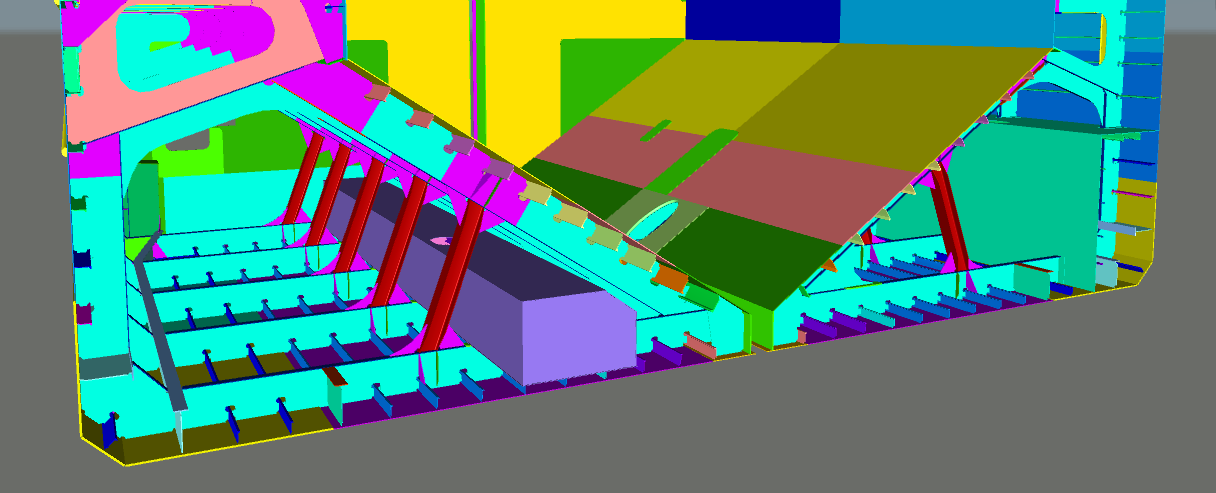
- integrated tanks within the ship’s hull structure
Tank placement must minimize collision risk and provide adequate protection against external damage.
Structural Integrity of Marine Fuel Tanks
Ensuring the structural integrity of marine fuel tanks, especially those designed for methanol, e-methanol, and other alternative fuels, is critical for safe and reliable ship operation. These tanks are engineered to withstand a wide range of demanding marine conditions, including:
- wave-induced loads and dynamic sea pressure
- continuous ship motion and vibration
- thermal expansion and temperature fluctuations
- internal and external pressure variations
To guarantee long-term durability and compliance with marine safety standards, advanced engineering methods are applied. Finite Element Analysis (FEA) and modern structural design tools are commonly used to model real-world operating conditions, verify load-bearing capability, reduce material fatigue, and optimize the overall performance of the tank structure.
Western Technological Solutions manufactures custom stainless steel tanks for methanol fuel systems, supporting shipbuilders developing methanol-ready vessels.
Stainless Steel Applications in Offshore Industries
Stainless steel is essential for offshore and marine engineering, delivering long-lasting performance in environments exposed to constant seawater, high humidity, and dynamic loads. Thanks to its exceptional corrosion resistance, structural strength, and low maintenance requirements, stainless steel remains the preferred material for oil & gas platforms, offshore wind installations, subsea systems, and advanced marine structures.
Corrosion-Resistant Solutions for Harsh Marine Environments
The offshore environment exposes materials to continuous saltwater contact, extreme humidity, mechanical stress, and temperature fluctuations. Stainless steel’s natural resistance to corrosion and pitting ensures long service life, reduced maintenance costs, and improved safety for mission-critical offshore systems. Its durability makes it ideal for components such as seawater piping, pump housings, pressure vessels, riser systems, structural supports, and exposed deck equipment.
High-Strength Materials for Offshore Structures
Modern offshore operations demand materials capable of performing under high pressures and dynamic loads. Stainless steel offers excellent tensile strength and fatigue resistance, making it suitable for heavy-duty applications such as subsea manifolds, helideck structures, crane components, and load-bearing frames. Its stability and predictable performance under extreme conditions help maintain operational reliability and reduce downtime.
Essential for Subsea and Renewable Offshore Installations
In subsea engineering, stainless steel is used for umbilicals, control lines, hydraulic systems, and protective housings that require long-term stability at depth. Likewise, offshore wind farms rely heavily on stainless steel for transition pieces, ladders, platforms, cable protection systems, and safety equipment exposed to constant seawater spray and cyclic loading.
Extended Equipment Lifespan and Lower Total Cost of Ownership
By selecting corrosion-resistant stainless steel for offshore applications, operators significantly extend equipment lifespan while reducing the need for coatings, repairs, and costly replacements. This results in improved asset integrity, predictable maintenance planning, and long-term cost efficiency, critical benefits for both traditional offshore energy projects and modern renewable installations.
Where stainless steel is used in offshore projects:
- offshore platform structures and high-load assemblies
- deck equipment and safety-critical handling systems
- pressure vessels, process tanks, and seawater-exposed units
- modular accommodation and process housing
- engineered supports, brackets, and custom welded frameworks
At Western Technological Solutions, we deliver high-quality stainless-steel fabrication for complex offshore applications, from heavy structural components to precise subsea assemblies. Our solutions ensure long service life, minimal maintenance, and reliable performance in harsh marine environments.
Partner for Sustainable Maritime Engineering
The maritime industry is rapidly evolving toward cleaner technologies, stricter emission regulations, and carbon-neutral and alternative fuels.
Western Technological Solutions supports shipbuilders and marine engineering companies by providing high-quality stainless steel fabrication for modern vessels.
From marine Waste Heat Recovery Systems and methanol fuel tanks to complex welded offshore structures, the company delivers reliable engineering solutions that help the shipping industry meet the challenges of environmental compliance and sustainable maritime transport.
Contact us today to discuss your water project
and receive a tailored technical proposal !
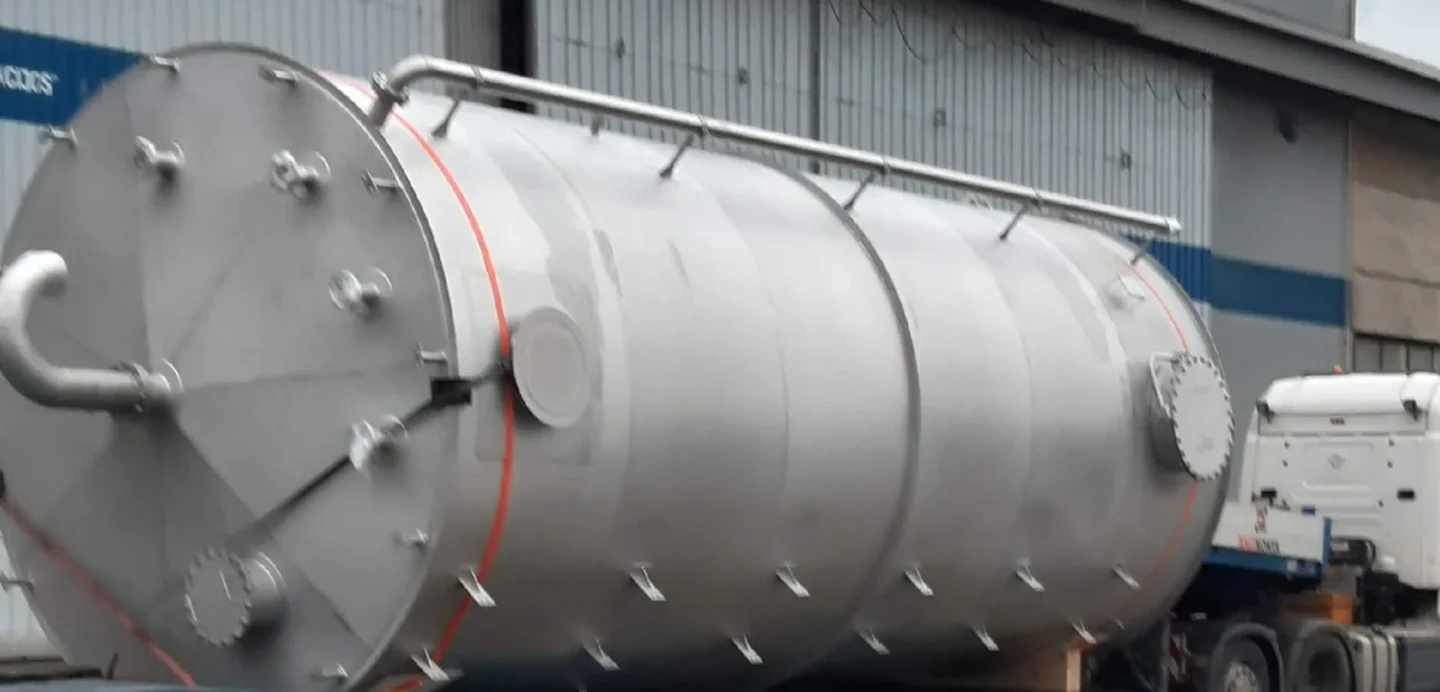
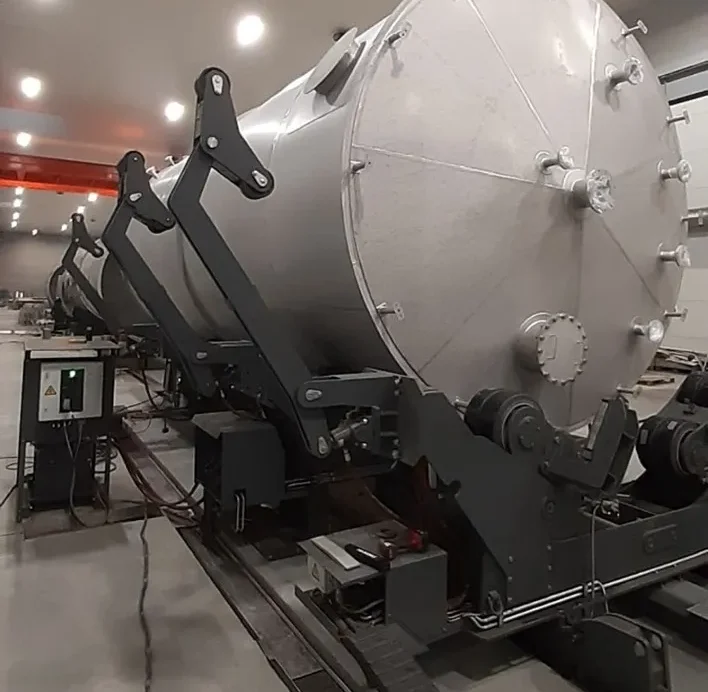
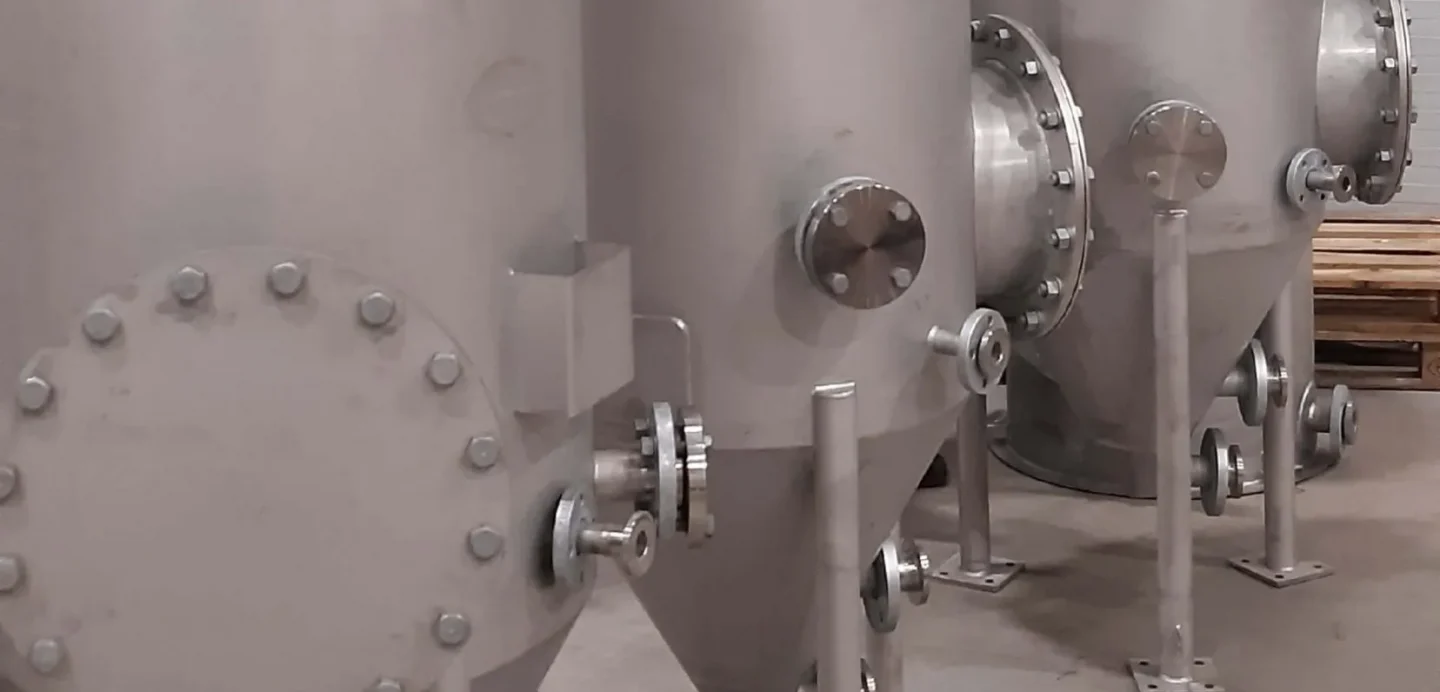
Typical Stainless steel Products provided:
- Process tanks
- Storage tanks
- Process pressure vessels
- Towers
- Evaporators
- Reactors
- Indirect Air Heaters
- Custom process equipment
- Ducts systems
- Piping systems
Stainless Steel Solutions for the Food and Beverage Industry
We design and manufacture high-quality stainless steel equipment tailored to the specific needs of the food and beverage industry. Our portfolio includes custom stainless steel tanks, Indirect Air Heaters, reactors, piping systems, and various process equipment, all crafted with an emphasis on hygiene, durability, and operational efficiency. Compliant with stringent international food safety standards and guidelines, our solutions ensure contamination-free processes, energy savings, and seamless integration into food production lines. As a leading European manufacturer based in Klaipeda, Lithuania, we leverage our expertise in large-scale welded structures to deliver reliable, high-performance equipment that supports sustainable and safe food processing.
Food-Grade Stainless Steel Tanks for the Food and Beverage
Our food-grade stainless steel storage and process tanks are engineered to meet the strict hygiene, safety, and performance requirements of modern food and beverage production. Designed for storing and processing liquids, semi-liquids, and bulk food materials, our tanks ensure maximum product purity, temperature stability, and operational reliability.
Manufactured from high-quality AISI 304 or AISI 316 stainless steel, each tank features smooth internal surfaces for easy cleaning, excellent corrosion resistance, and long service life. We offer standard and fully customized tank solutions with capacities of up to 500 m³, including large-diameter vessels (up to 6 m) and vertical tanks up to 34 m in height, enabling scalable solutions for industrial food processing facilities.
Our stainless steel tanks are suitable for a wide range of applications, including dairy processing, beverage production, edible oils, syrups, and other food-grade products. Optional configurations include thermal insulation, agitation and mixing systems, and full CIP (Clean-In-Place) compatibility, ensuring efficient cleaning and compliance with HACCP, ISO 22000, and international food safety regulations.
By combining precision engineering with high-quality materials, we deliver hygienic, durable, and easy-to-maintain stainless steel tanks that help food manufacturers minimize downtime, maintain consistent product quality, and meet regulatory requirements with confidence.
Indirect air heaters
Natural gas-fuelled indirect air heaters provide efficient, safe, and hygienic heating for food industry applications where clean air is essential. By completely separating the combustion process from the airflow, these systems deliver contamination-free, precisely controlled hot air, making them ideal for food drying processes and food processing facilities. Designed for high energy efficiency, long service life, and reliable operation, our indirect air heaters help maintain stable drying conditions while meeting strict food safety and hygiene standards.
Your Trusted Partner in Food Industry Engineering Excellence
At Western Technological Solutions, we prioritize quality, innovation, and client satisfaction in every project. Our stainless steel tanks and process equipment for the food industry are manufactured in state-of-the-art production facilities with direct sea access, ensuring efficient logistics and global delivery.
From material selection and certified welding to surface finishing and final inspection, every detail is managed with precision and full quality control. Our goal is to deliver durable, safe, and efficient stainless steel solutions that help our clients maintain consistent product quality while meeting strict food safety and hygiene requirements.
We are proud to manufacture custom-engineered equipment for leading European engineering corporations.
Whether you are modernizing existing food processing facilities or developing new production lines, Western Technological Solutions is your reliable partner for bespoke stainless steel equipment for the food and beverage industry.