Archives: News
News
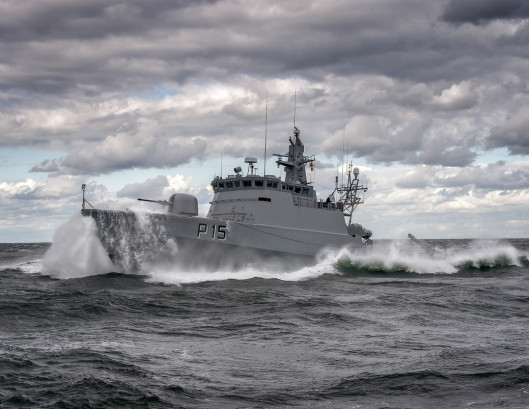
The maritime industry, science and military experts of the State are joining forces in a unique format with the aim to create a conceptual design for a new generation Navy ship. On 15 February – the eve of the Lithuanian State Restoration Day – a cooperation agreement on the implementation of this innovative technology project will be signed in Klaipeda.
The initiator of the Lithuanian Warship 2030 project is the Lithuanian maritime cluster, which currently pools 12 members representing domestic and foreign business organizations, as well as science and innovation agencies. ‘As the start of the project coincides with the celebration of the 100th anniversary of the Klaipeda region incorporation into Lithuanian State, we have an additional impulse to reflect on the significance of being a maritime country. A more active participation of the Lithuanian maritime industry and science agencies concentrated in Klaipeda in the State security and defense projects is undoubtedly very important. Klaipeda is ready to step in with its experts and developed industry,’ said Arnoldas Šileika, Chairman of the Board of the Lithuanian Maritime Cluster.
The agreement will consolidate the cooperation between the cluster and the Naval Forces of the Lithuanian Armed Forces within the framework of this project. ‘The goal that we will pursue together with our partners has been generated in view of the plans to modernize the Lithuanian Naval Fleet, as well as to properly utilize the expert knowledge in specific military areas accumulated by us and the potential of Lithuanian maritime industry, science institutions and innovation centers. The solutions in the implementation of the project of the new generation warship will be aimed at meeting the needs and challenges of the Naval Forces and enabling to effectively solve both nationally relevant tasks and those set by the NATO,’ said Giedrius Premeneckas, Sea Captain, Commander of Naval Forces.
The parties will undertake to cooperate in the areas of exchange of professional knowledge and skills, as well as organize joint working groups, deepen competencies during specialized events, and share proposals.
‘The activities of the cluster are primarily aimed at creating high added-value solutions and, therefore, we see the project of the new generation Navy ship as a platform for opening new opportunities by making use of our already accumulated knowledge and experience,’ emphasized Andrius Sutnikas, the Development Manager of the Klaipeda Science and Technology Park, coordinating the activities of the Maritime Cluster.
Consortium members hope that the Lithuanian Warship 2030 project will also contribute to the creation of new perspectives for the maritime business and the entire maritime innovation community, as the competitive project would gain commercialization potential.
News
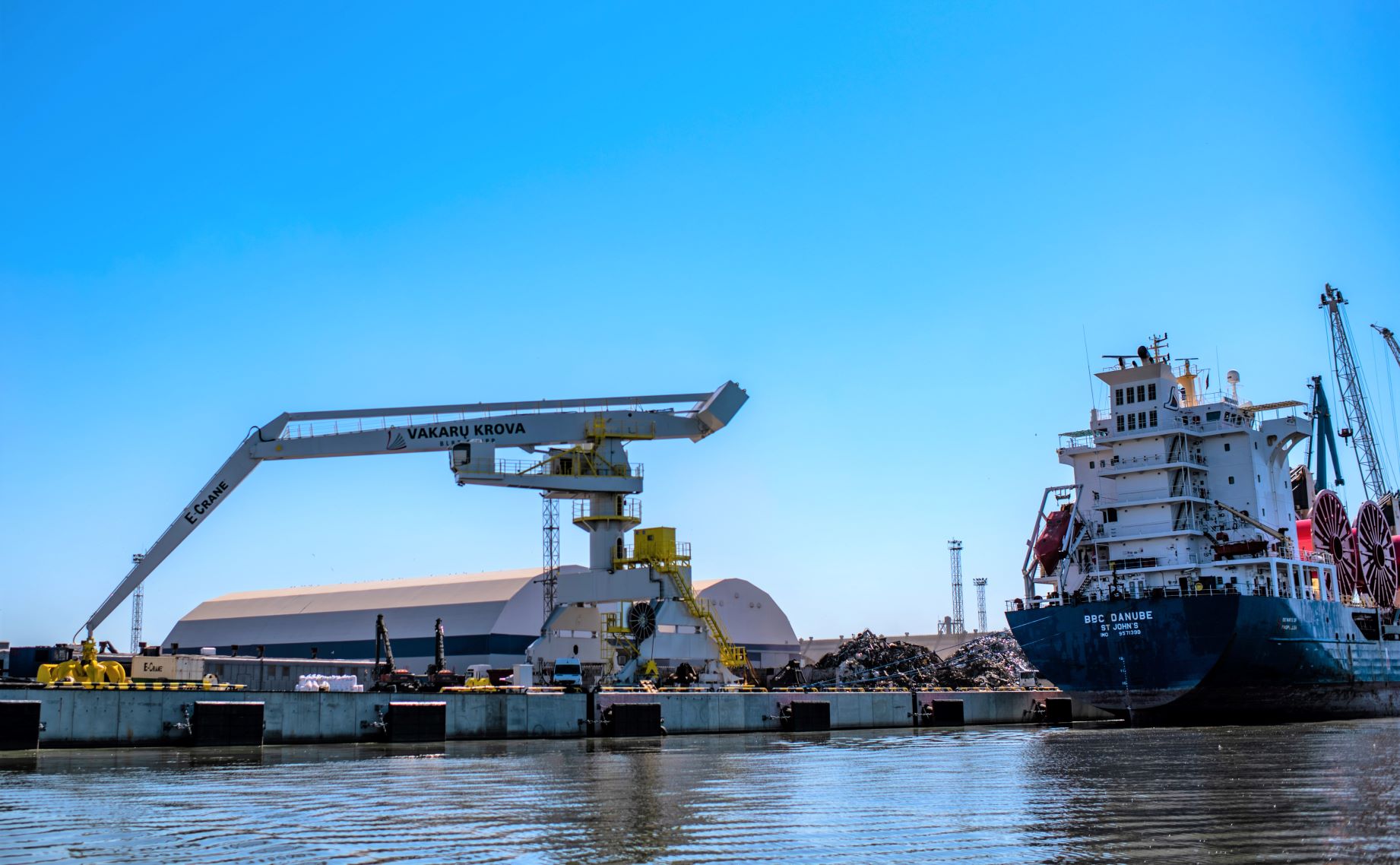
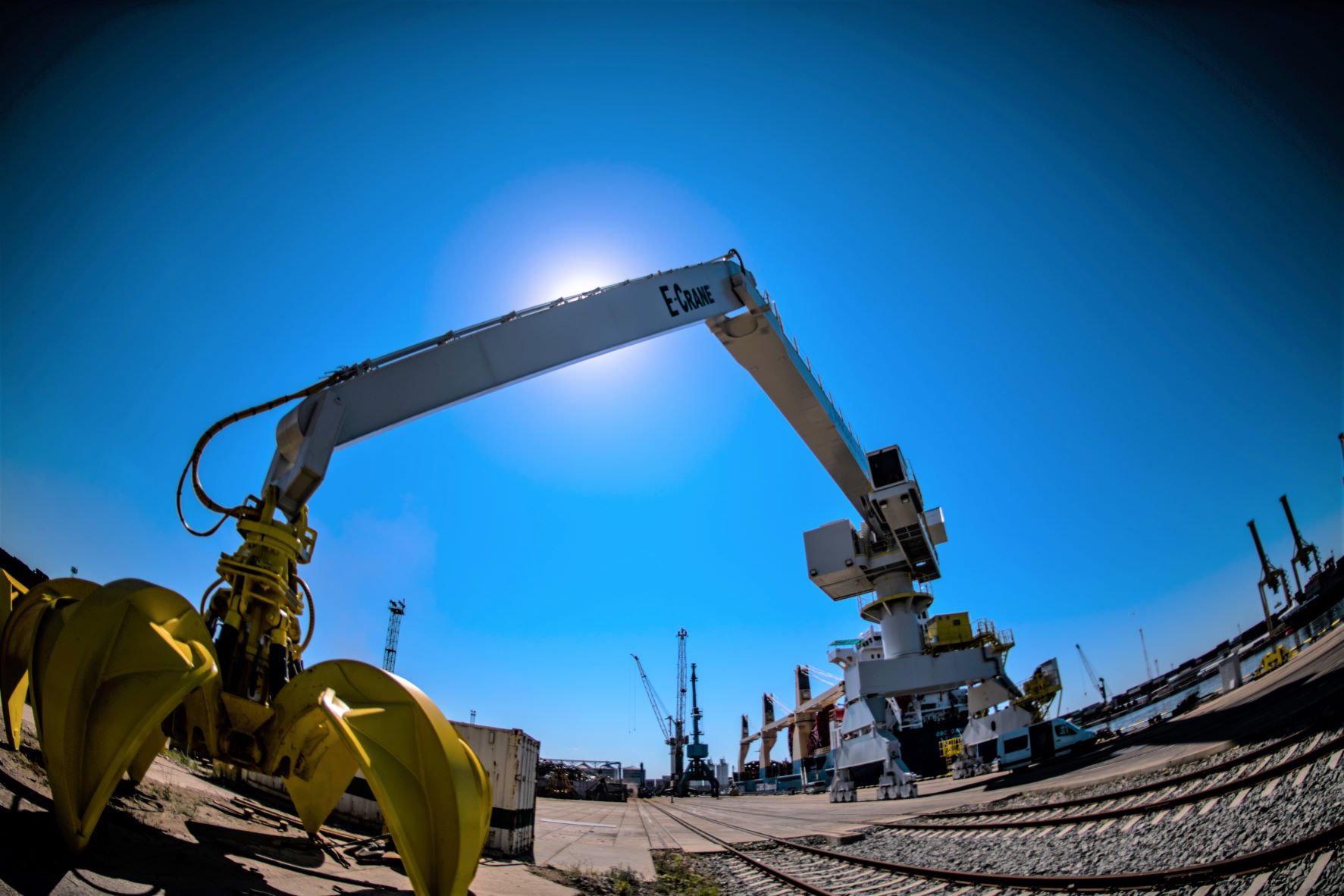
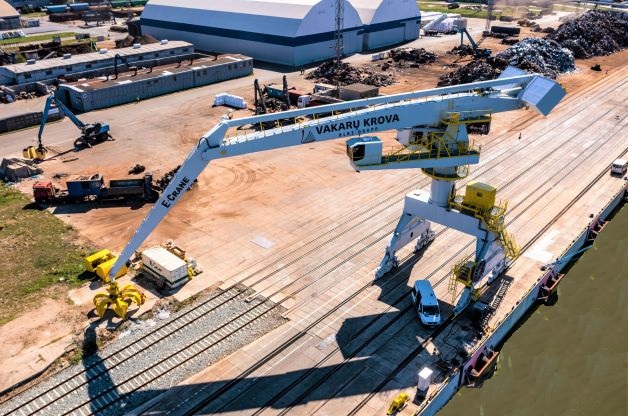
Western Stevedoring, a company of the Western Shipyard Group, has updated its current technology park and purchased an E-Crane of an impressive size and capacity for handling cargoes. The electric crane of new generation is environmentally friendly, which will contribute to the realisation of the ‘green port’ vision of the Klaipėda port.
The latest significant investment of Western Stevedoring – the 31-ton lifting capacity electro-hydraulic gantry crane for loading bulk and loose bulk cargoes – was put into operation at the beginning of September. This fast and extremely precise E-Crane with a boom of 42 meters is the largest crane of its kind in the Baltic States.
The new technology is expected to significantly increase the throughput of quays and enable loading a greater number and larger ships in less time. According to estimations, the loading capacity of loose bulk and bulk cargoes will increase by about 40 percent.
Until now, the loading of Handysize-type vessels using the available equipment took approximately six days, while using the new crane it will be possible in just four days. The quantities of the equipment and the number of people involved in the loading process will also decrease. For instance, the technological chain when loading scrap metal into a Handysize-type vessel normally consists of 18 workers per shift. With the help of the new crane, the number of workers participating in the loading process within one shift will be reduced to 6-7 persons. By increasing technological capabilities and reducing the need for physical work we hope to enhance the safety of our operations and resolve the problem of the lack of skilled workers.
Another advantage is that now the loading processes will be less dependent on the changeable weather of the port city, as the capabilities of the new crane allow carrying out work in winds of up to 25m/s, while the other loading equipment could only be used in wind gusts of less than 15m/s for safety reasons.
According to Gediminas Rimkus, Director at Western Stevedoring, the need for the investment arose when the Klaipėda State Seaport Authority improved the infrastructure conditions and increased the depth at the quay operated by Western Stevedoring to 13.5m, as until then the depth reached only 9 meters. These changes opened up new opportunities for Western Stevedoring to accept large-tonnage Panamax-type ships for loading.
‘The fact that today the company has the opportunity to operate the largest electro-hydraulic gantry crane in the Baltic States, to acquire the latest loading technologies and to develop stable operations is due to successfully realised investments in improving the company’s infrastructure. Last year, the company was recognised the fastest growing loading company in the port of Klaipėda. We also signed a long-term contract with a well-known metal export company and committed to load at least 400,000 tons of scrap metal cargo per year. These achievements encouraged us to purchase new equipment that would help us work even more efficiently and effectively. We will continue to strive to expand our activities, to increase loading capacity and to be a technologically advanced company able to apply modern technologies, save energy resources, improve work productivity and achieve even better operational results’, said the head of the company.
News
Western Shiprepair (WSR) is operating at full capacity. The yard cooperates closely with the Norwegian shipping company and has already completed maintenance work on over ten of its vessels this year. More will arrive soon.
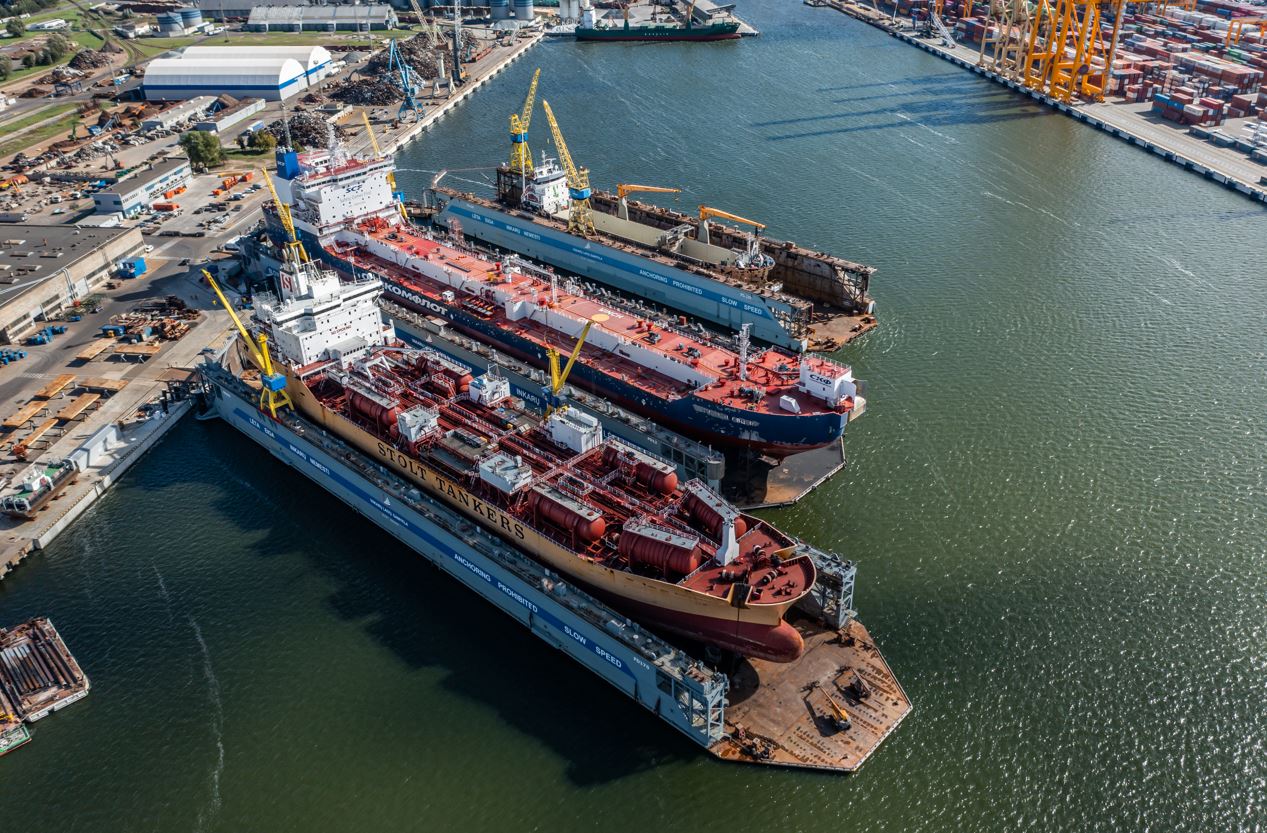
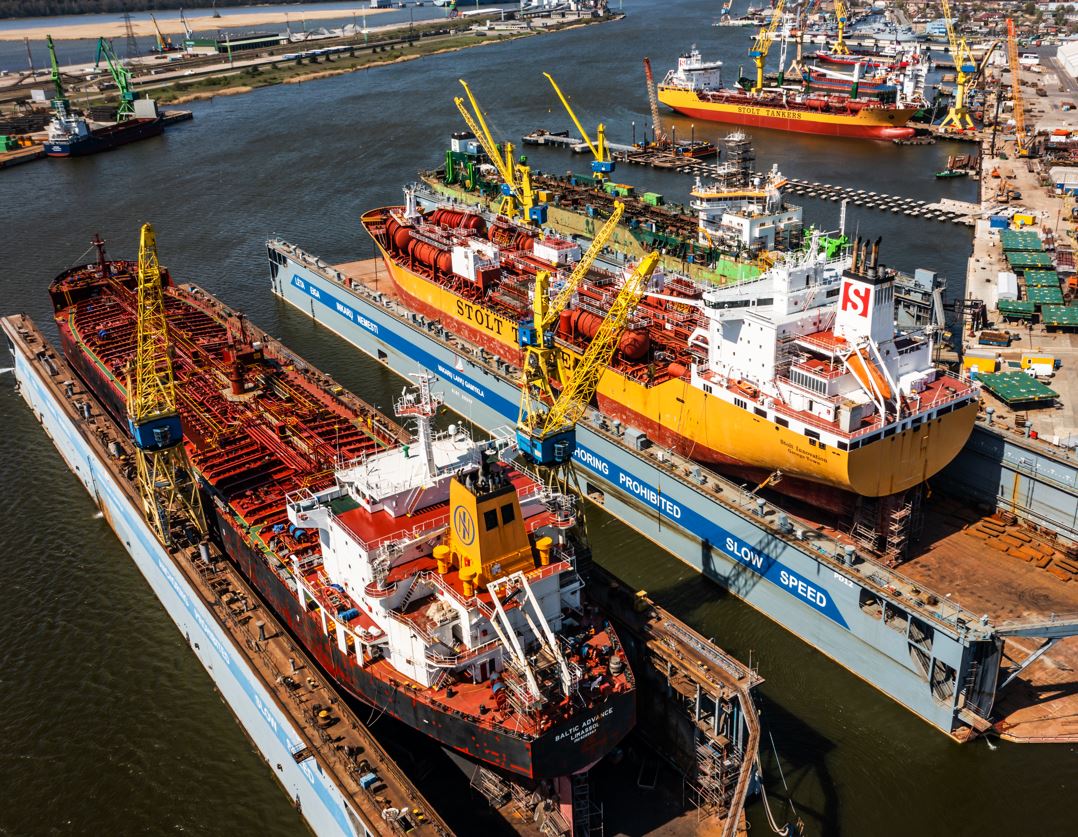
Already for two years, our ship repair yard has been developing a partnership with Stolt Tankers, a well-known global shipping company. This company has brought more than one line of its ships to WSR for maintenance. In the last two years, WSR has retrofitted equipment and undertaken maintenance work which cannot be completed whilst the ships are at sea on 15 such ships, 14 this year. Work on several additional ships WSR entrusted to their colleagues from Tallinn Shipyard.
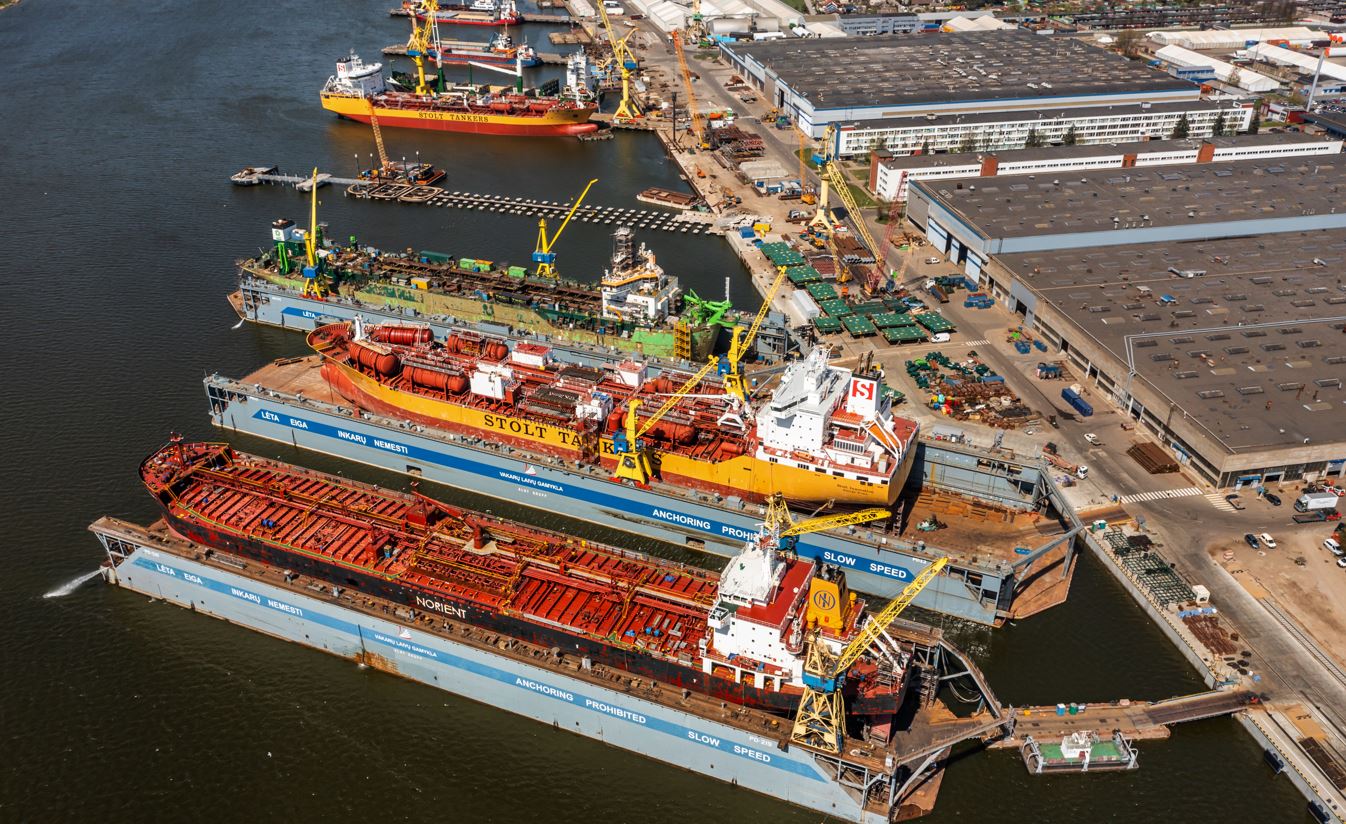
Quite recently, the WSR team with the help of colleagues from other companies of the WSY Group completed maintenance and servicing work on the STOLT BISMUTH in floating dock No.170 (FD-170). The chemical tanker, more than 165 m long and almost 27 m wide, which was built five years ago, has undergone equipment updates to meet the requirements of its class. Although the vessel was scheduled to in dry dock for 12 days, this took one day longer due to deteriorating weather and strong winds.
A bit earlier, two other tankers, i.e., STOLT INNOVATION and STOLT CONFIDENCE, of Stolt Tankers left the quays of WSR after our team performed routine maintenance and painting jobs.
According to Andrius Norkus, Project Manager at WSR Production Department, the peculiarity of maintenance tasks of those tankers was its complexity due to the impressive size of the vessels. Each of them was more than 177 m long and 31 m wide. Those were some of the largest vessels docked at FD-170 to date.
According to Vladimir Nazarov, Superintendent of Stolt Tankers, never from the very beginning of the partnership until now have they been disappointed with the quality of services provided by WSR. The yard has earned the name of a reliable and flexible partner who performs high-quality work in a timely manner, therefore we plan to continue our cooperation.
‘This partnership benefits both parties. Stolt Tankers transports cargoes to the port of Klaipėda, and time after time ships require modifications or maintenance work, which we can provide on-site. A trend that we see is that they entrust us with ever-larger vessels. And it means a lot to us!
It is a pleasure to work with such a partner, as they deliver ships prepared for us to start work straight away, which enables us to complete the required tasks on time. The customer appreciates the quality of our work, so new orders are already being planned for 2022. This is an important recognition for us,’ said Andrius Valantiejus, Head of WSR.
Stolt Tankers-operates a fleet of 152 sophisticated chemical tankers, providing safe, reliable, and high-quality global transportation services for bulk liquid chemicals, edible oils, acids, and clean petroleum products. Its deep-sea fleet is seamlessly integrated with Stolt Tankers’ regional fleets in Europe, Asia and the Caribbean, and inland barging services in Europe and the Gulf Coast of the US.
Stolt Tankers is a division of Stolt-Nielsen Limited (SNL), a long-term investor and manager of businesses focused on opportunities in logistics, distribution, and aquaculture. The Stolt-Nielsen portfolio consists of its three global bulk liquid and chemicals logistics businesses – Stolt Tankers, Stolthaven Terminals and Stolt Tank Containers – Stolt Sea Farm and investments in LNG. Stolt-Nielsen Limited is listed on the Oslo Stock Exchange (Oslo Børs: SNI).
BLRT Repair Yards unite three ship repair yards: Tallinn Shipyard in Estonia, Western Shiprepair in Lithuania and Turku Repair Yard in Finland. Design and technical support, repair, maintenance and retrofit of different types of vessels are yards` main activities which are provided at a highest level.
3 countries. 7 docks. Largest floating dock in the Baltics (245m*45m)
One of the largest dry docks in Northern Europe (265m*70m*7.9m)
News
Dear clients, partners,
We are pleased to announce that after many years of cooperation and close partnership, two companies within Western Shipyard Group, which have been operating in the marine & offshore engineering industry, have been successfully merged.
The activities of Western Constructions, an entity engaged in production of large-scale highly complex steel structures and equipment, and Marine Technology, an engineering and project management company, have been aptly integrated, leaving well known brand name and registration number of Marine Technology.
Our new joint venture – Marine Technology will be able to offer clients and partners the complex services from concept development to the final delivered product or service as the one stop shop (EPCI). These changes will bring more efficient cost management, faster response to client needs, optimization of operations and ensuring higher quality provided.
We believe that the synergy of professional employees with extensive project management experience and the competencies acquired over many years will be of great help in negotiations with suppliers and will allow us to cut time and certain costs, thus reducing capex for our clients.
New Marine Technology will open vast opportunities to secure an even stronger position in the competitive, dynamic market of marine & offshore engineering industry, as well as become a more attractive, modern partner capable of meeting the highest expectations of our existing and future clients.
Sincerely,
Marine Technology team
News
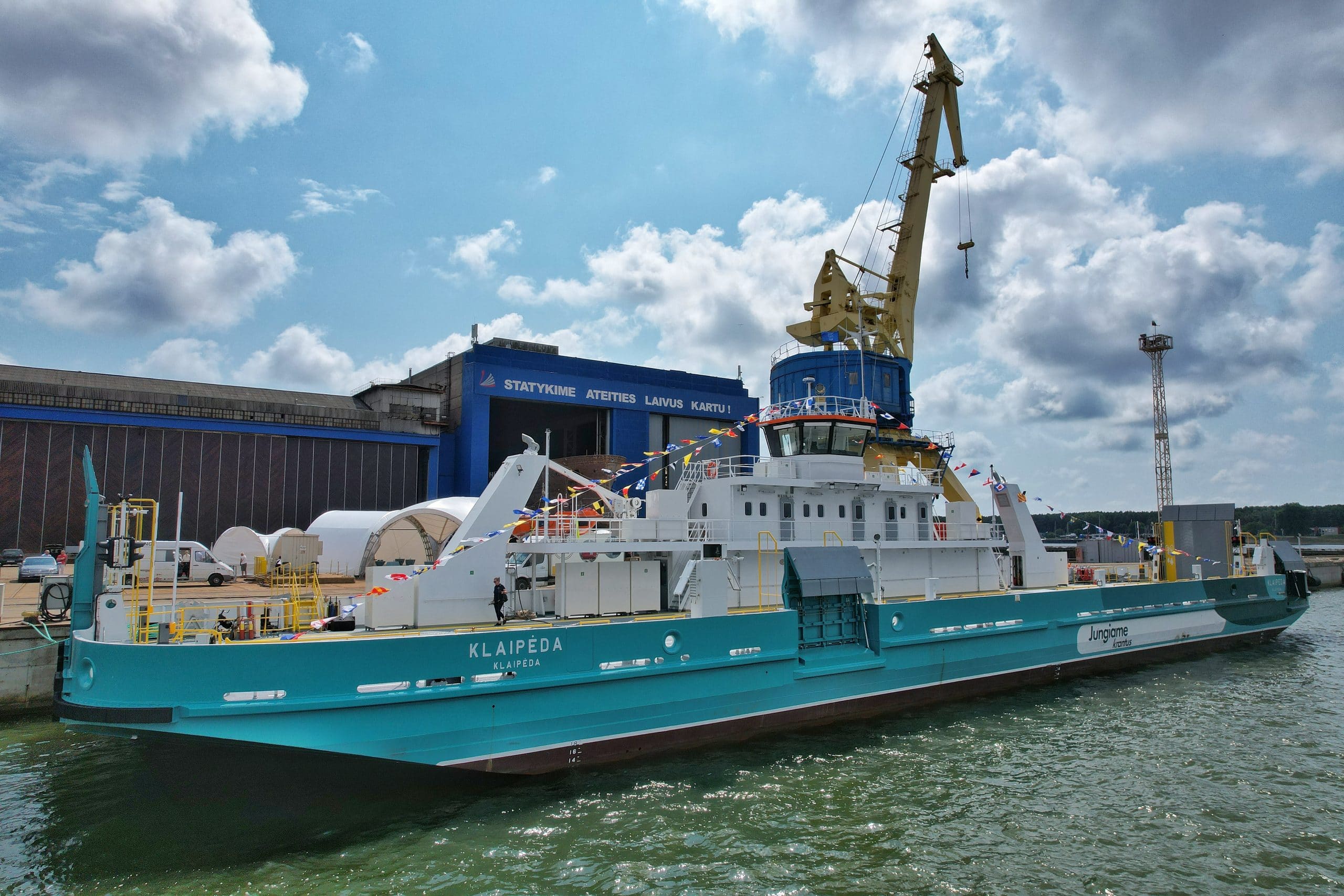
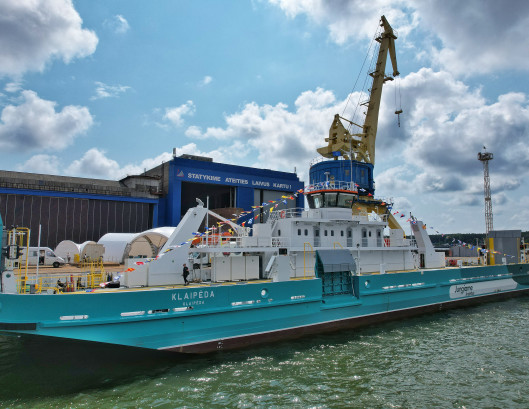
Western Baltija Shipbuilding (WBS) has implemented a significant project for the Western Shipyard (WSY) Group, the port city and Lithuania as a whole: a turnkey project for building the ferry for Smiltynės Perkėla has been completed.
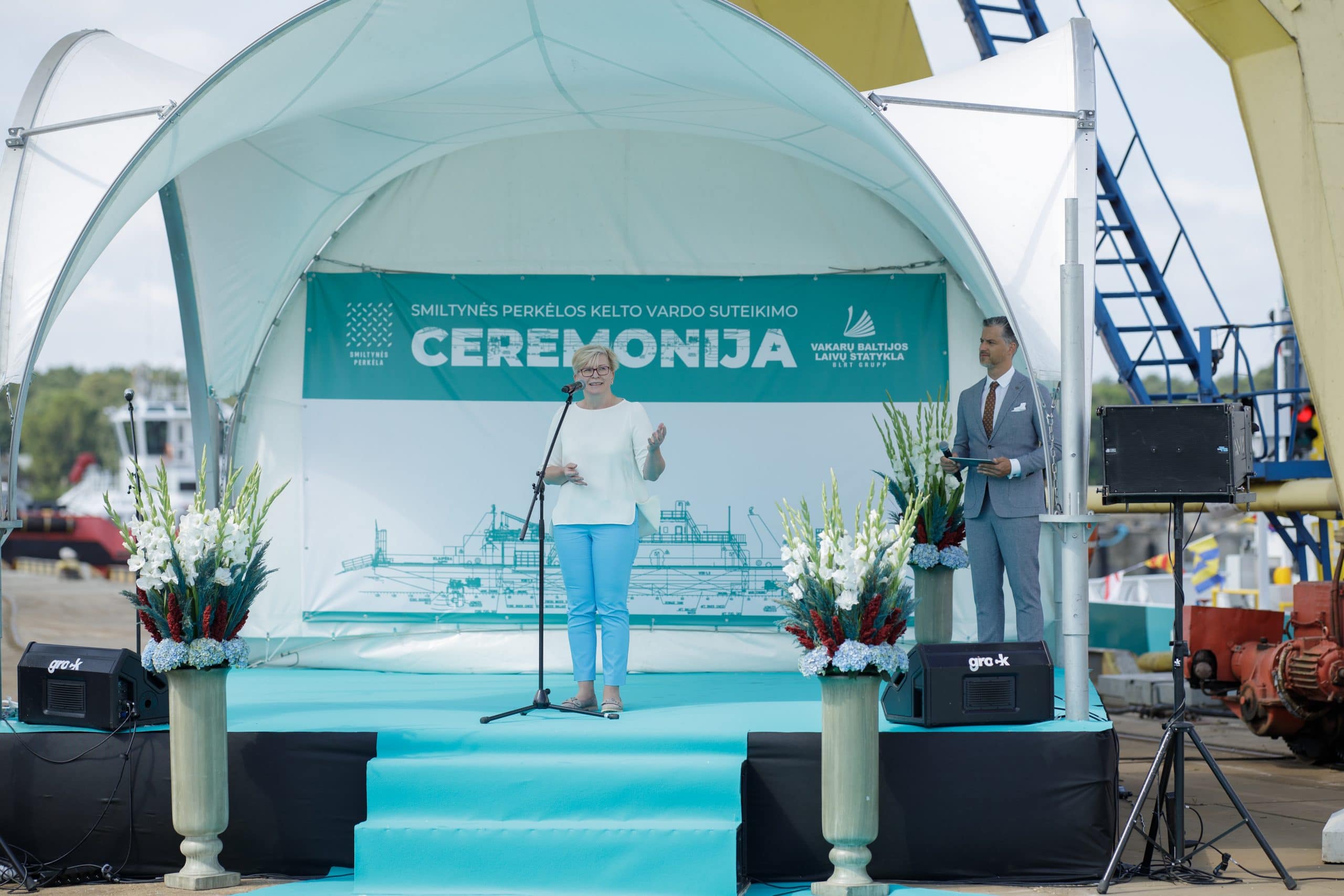
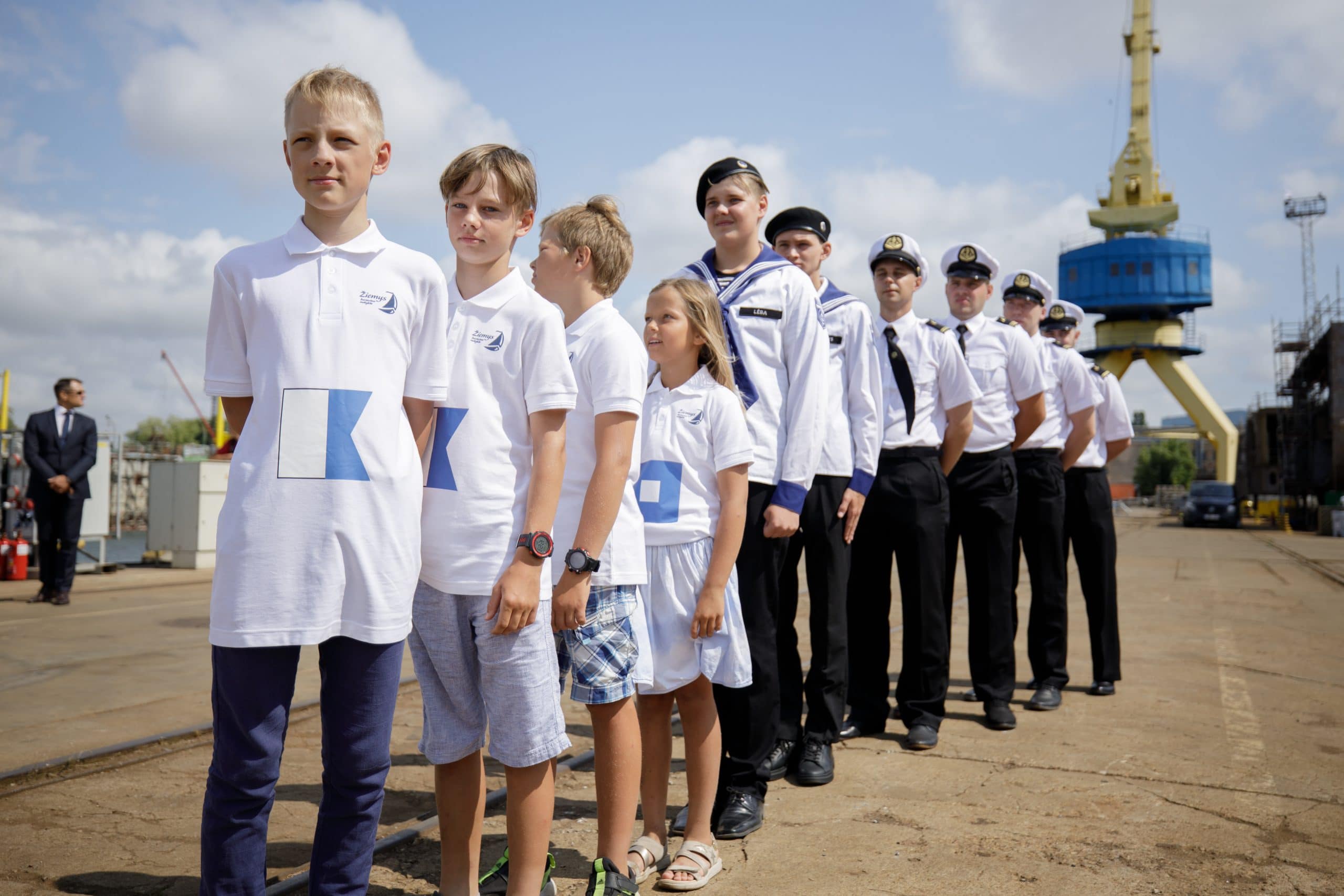
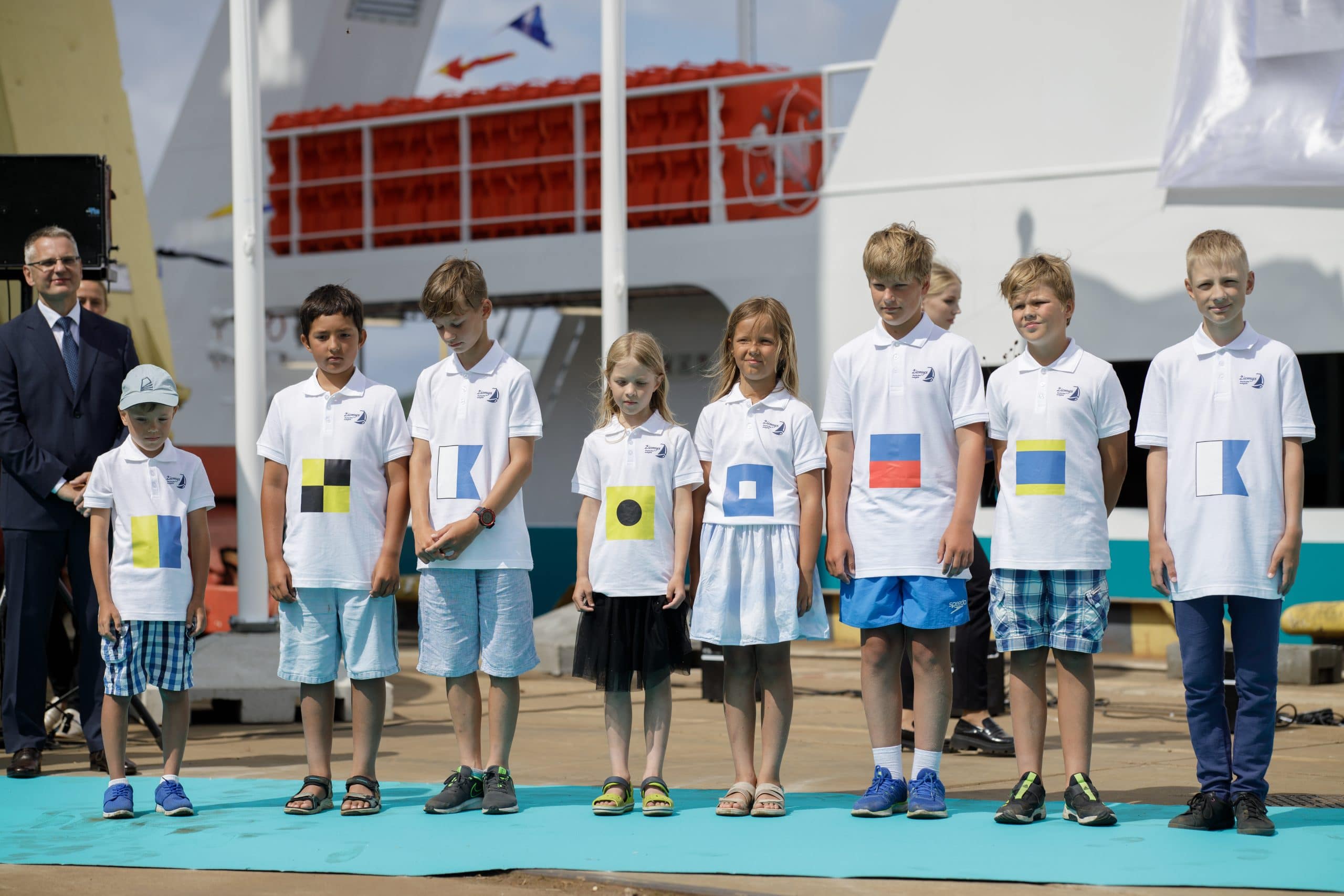
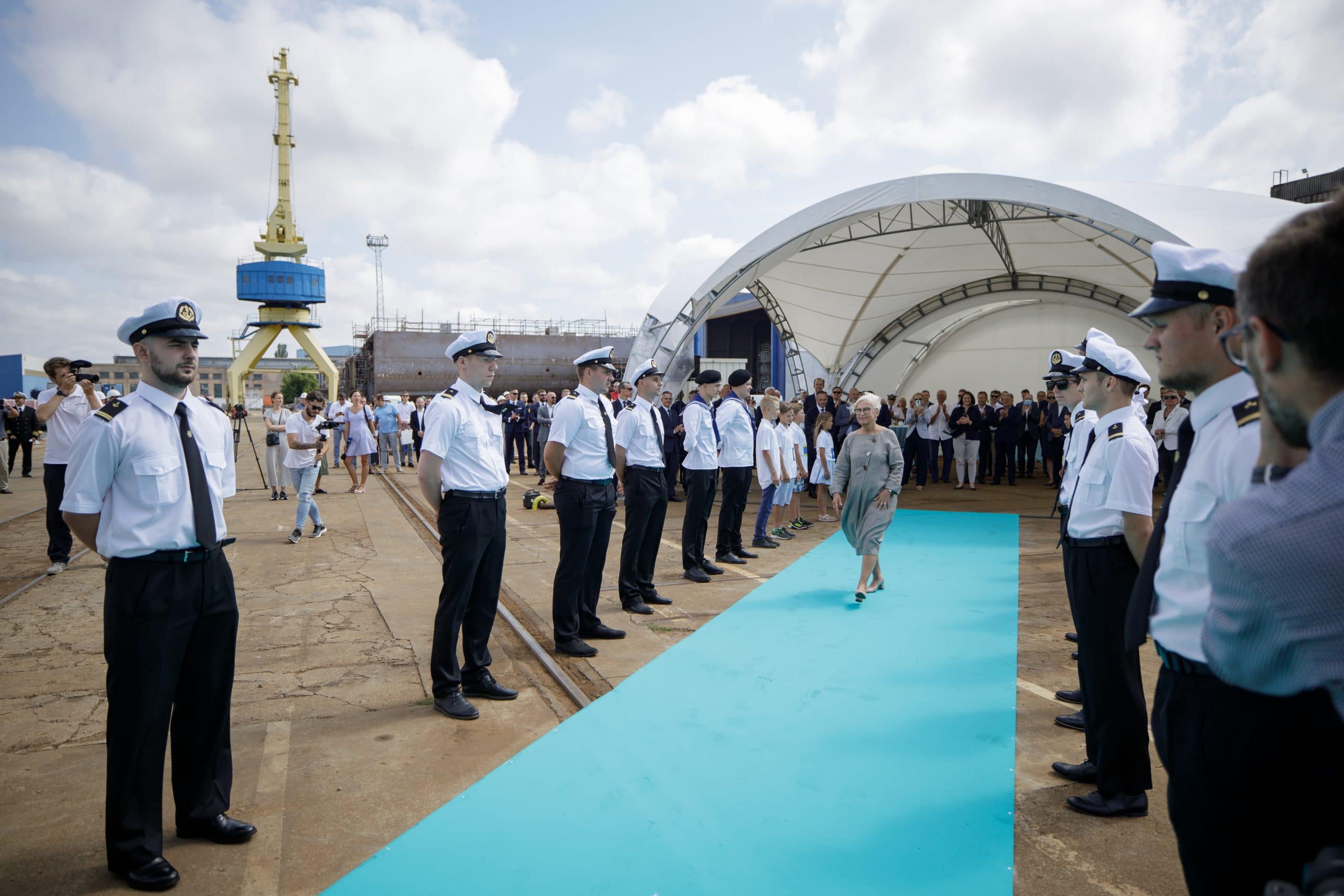
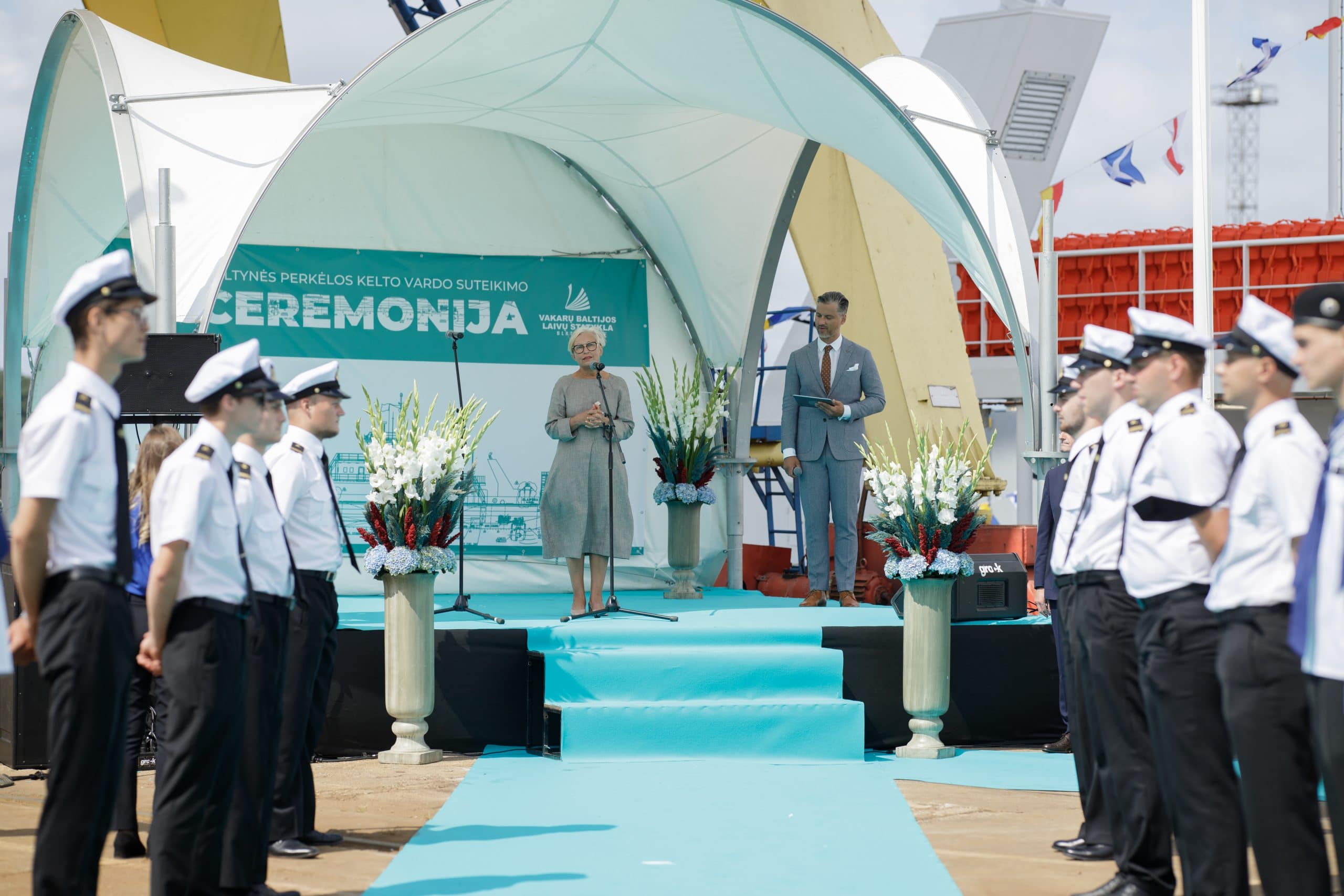
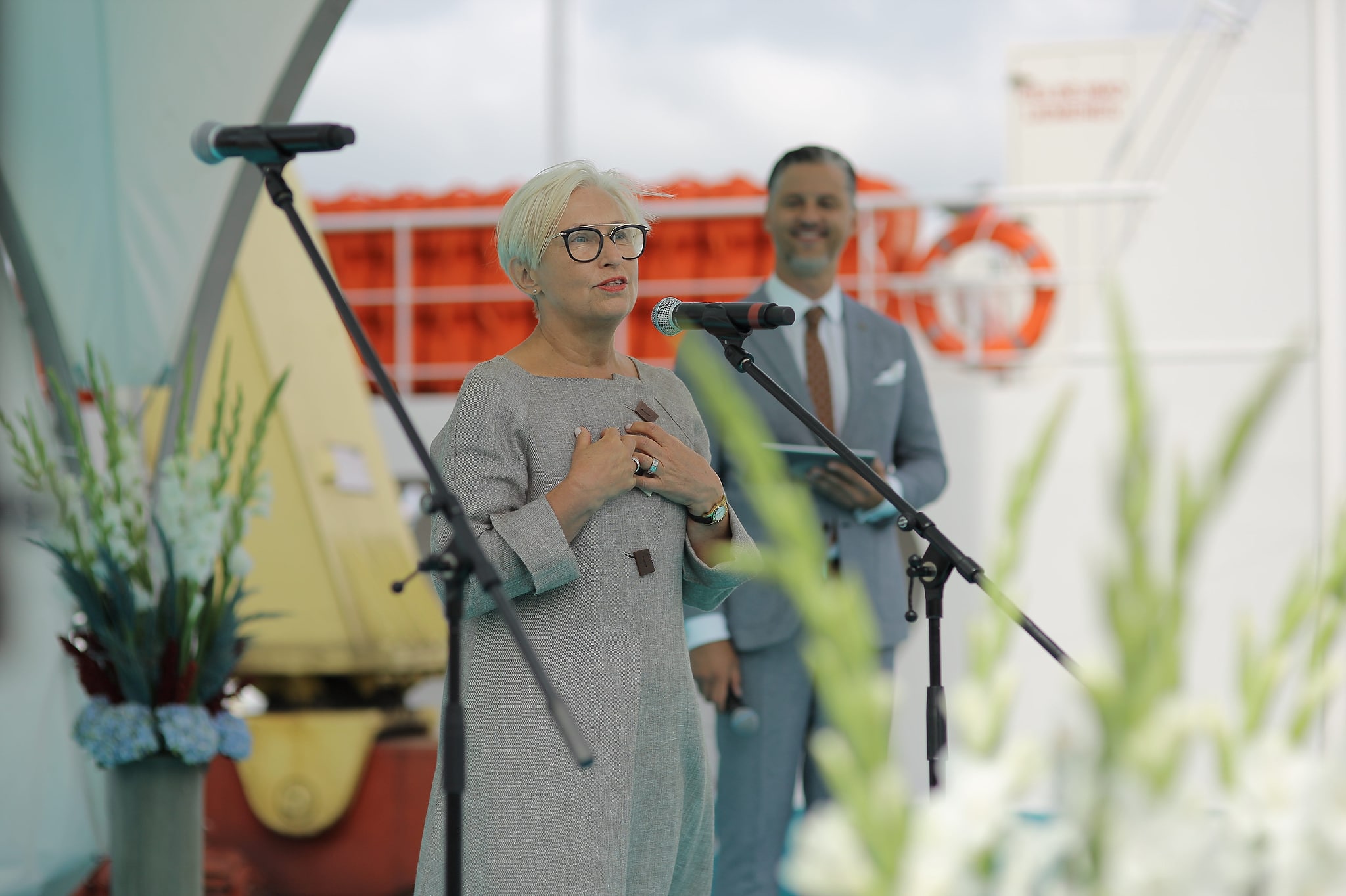
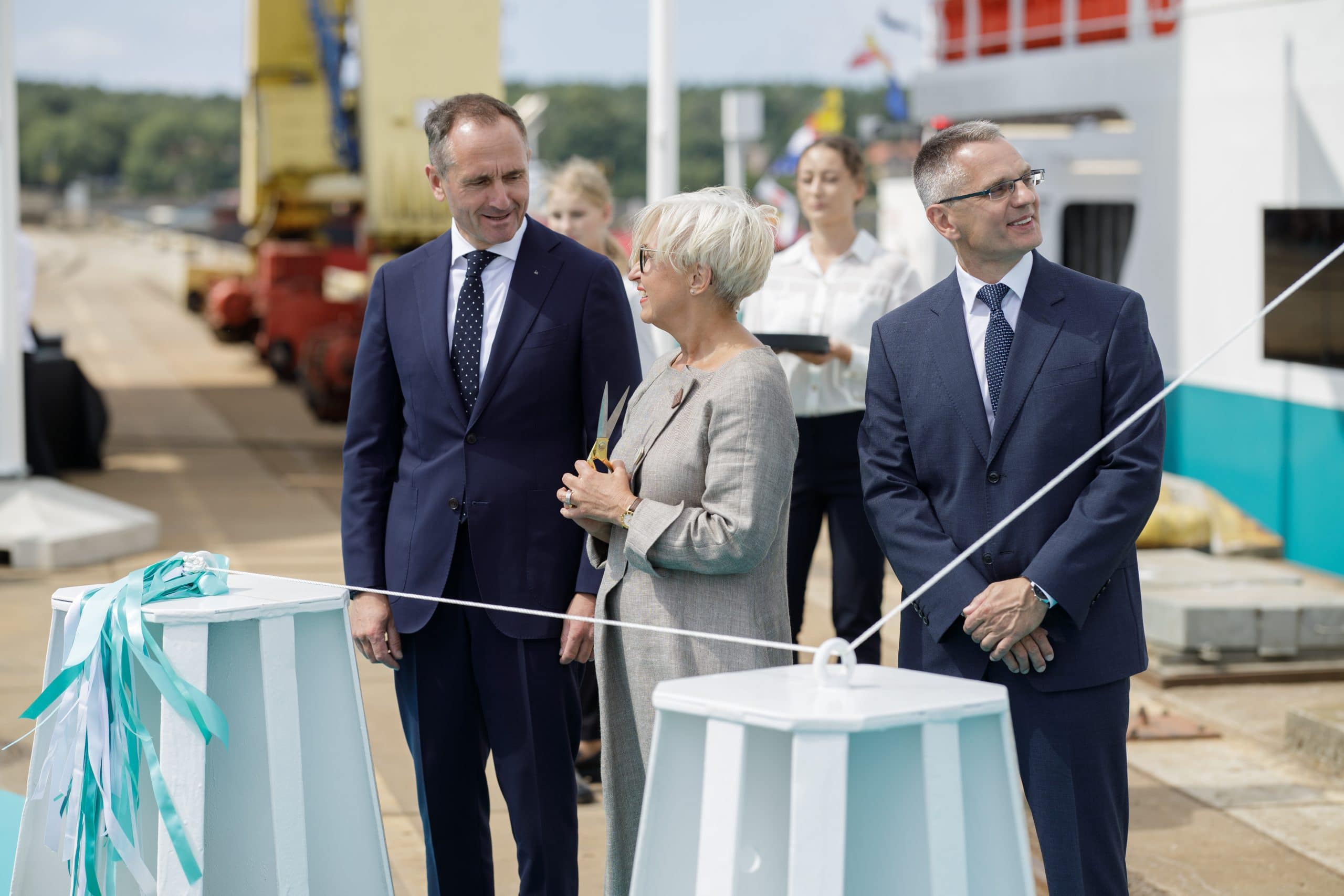
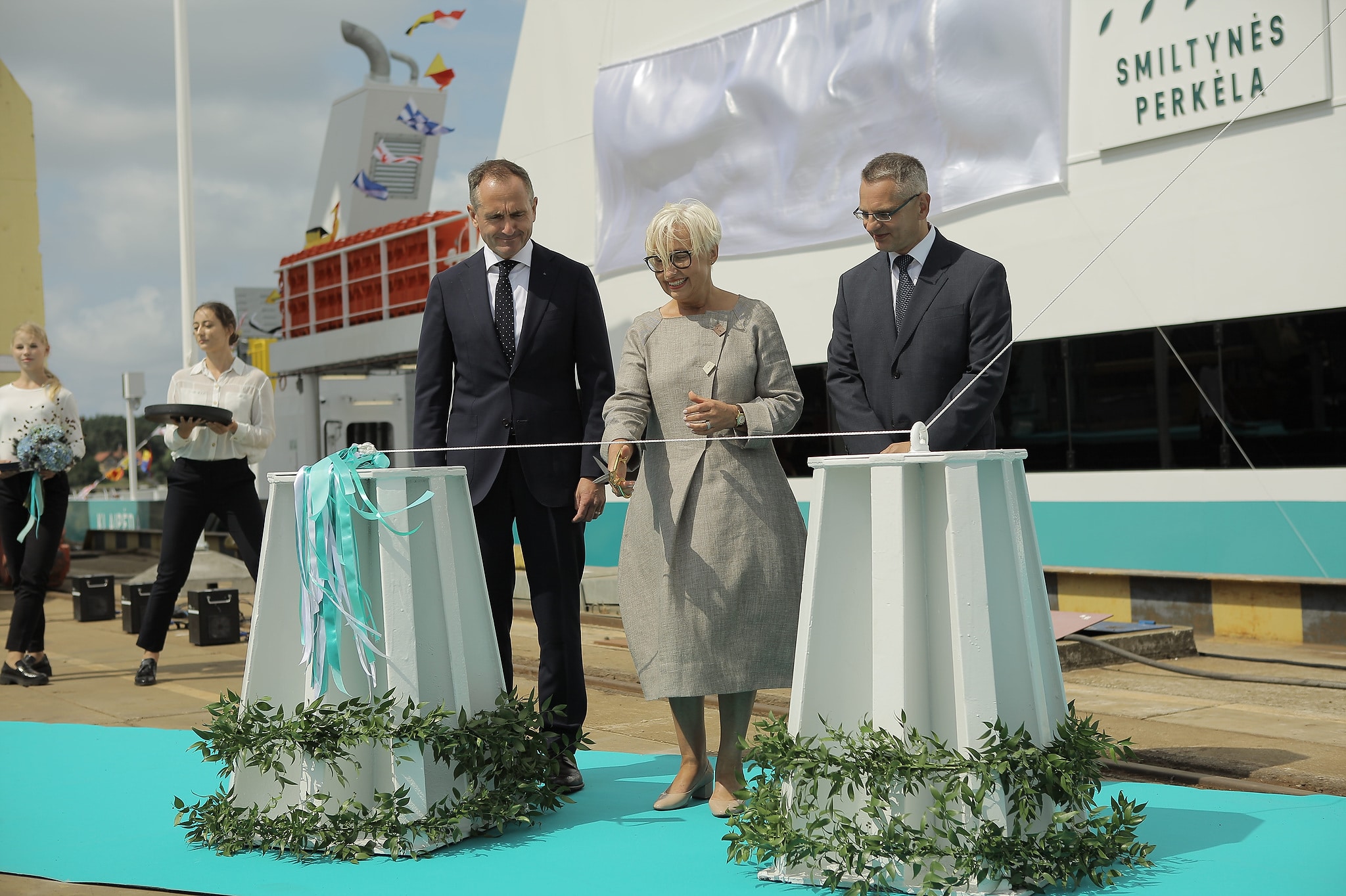
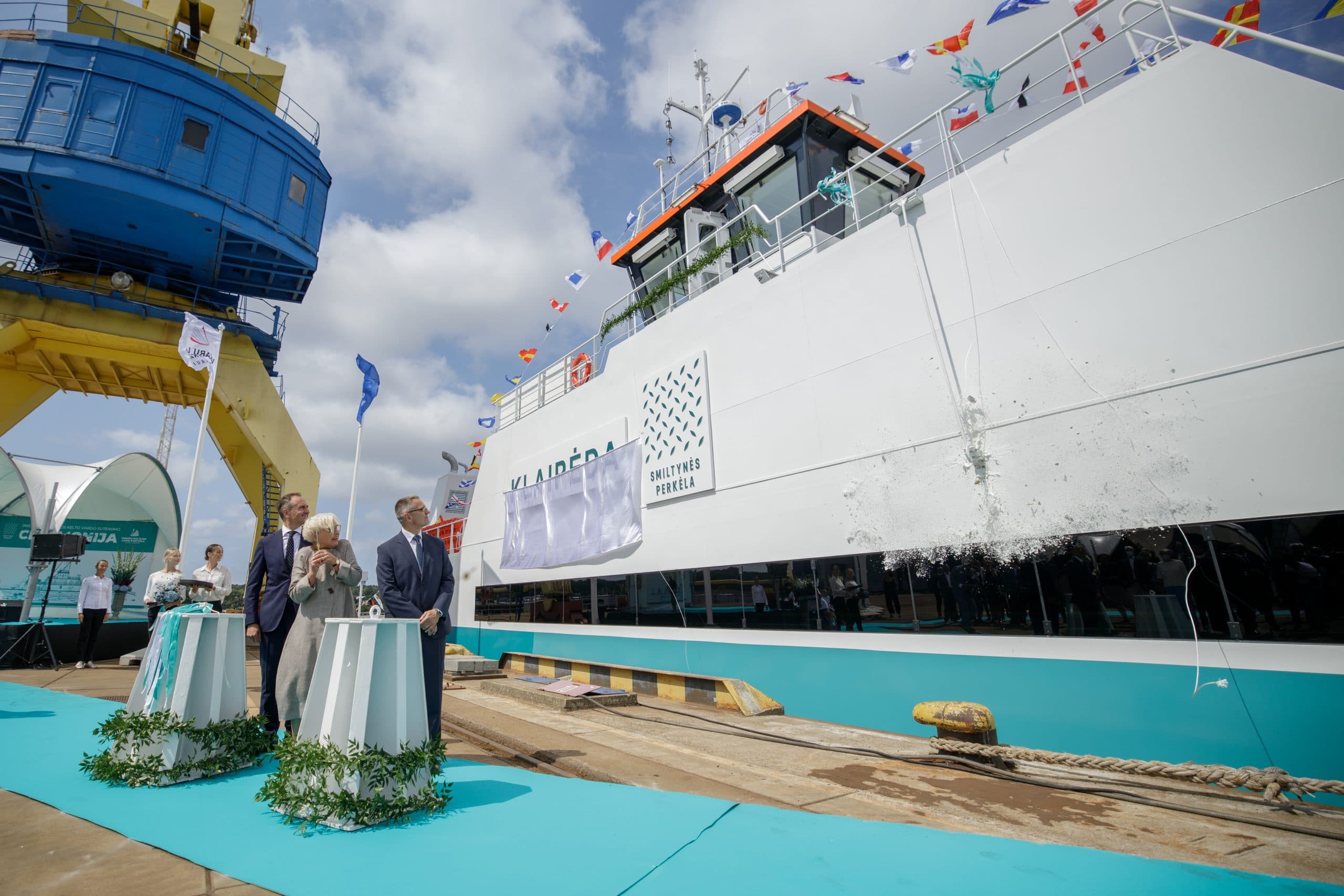
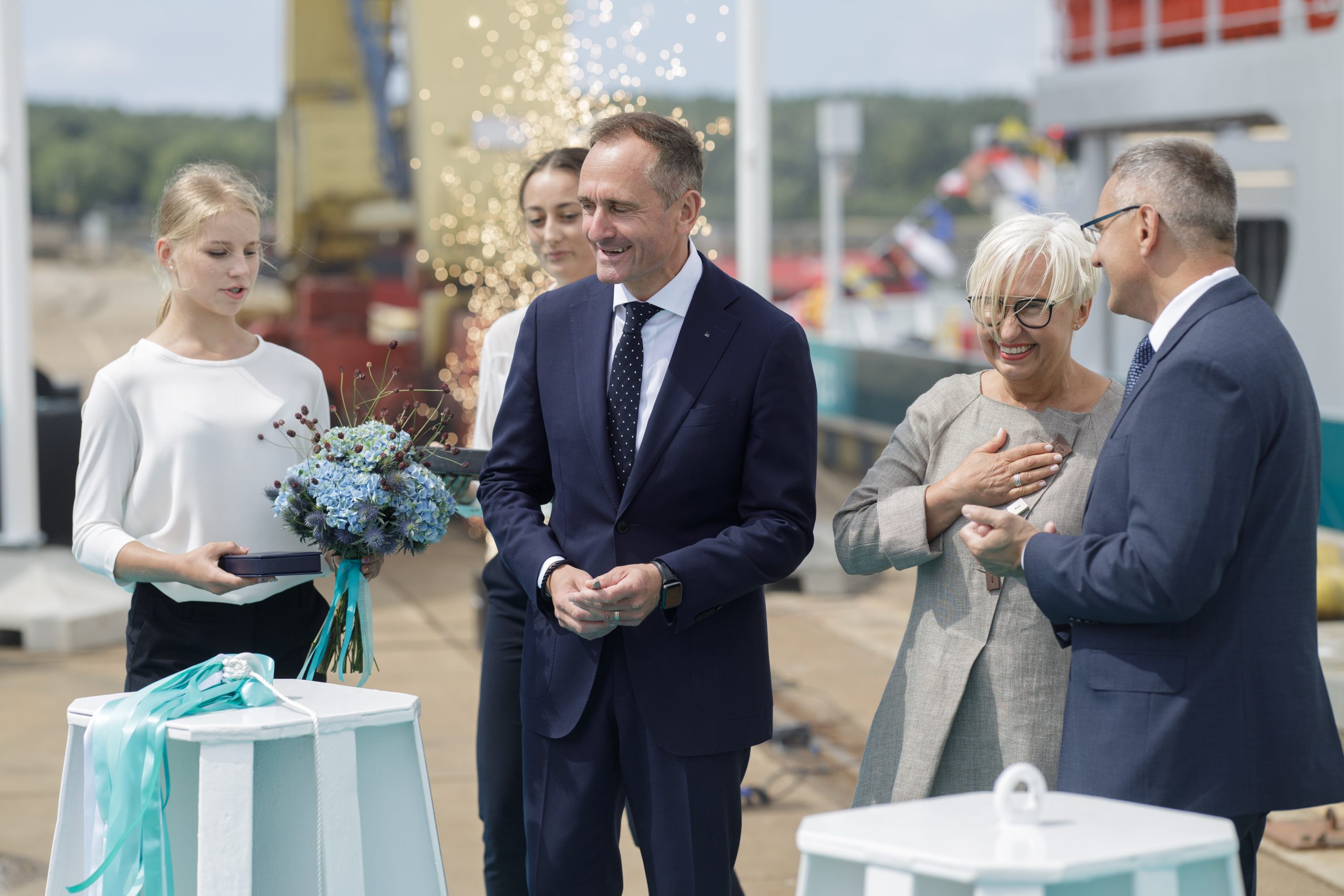
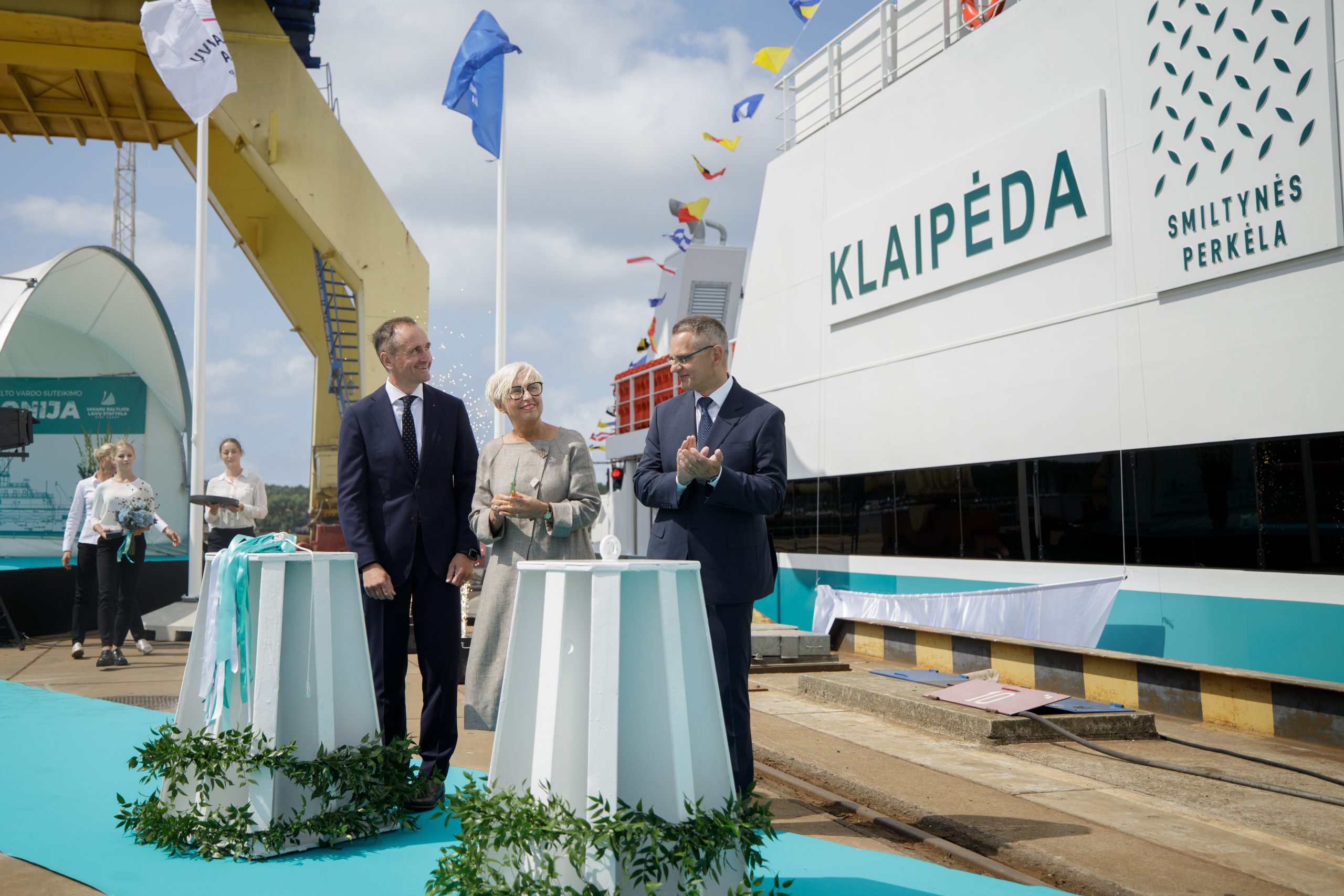
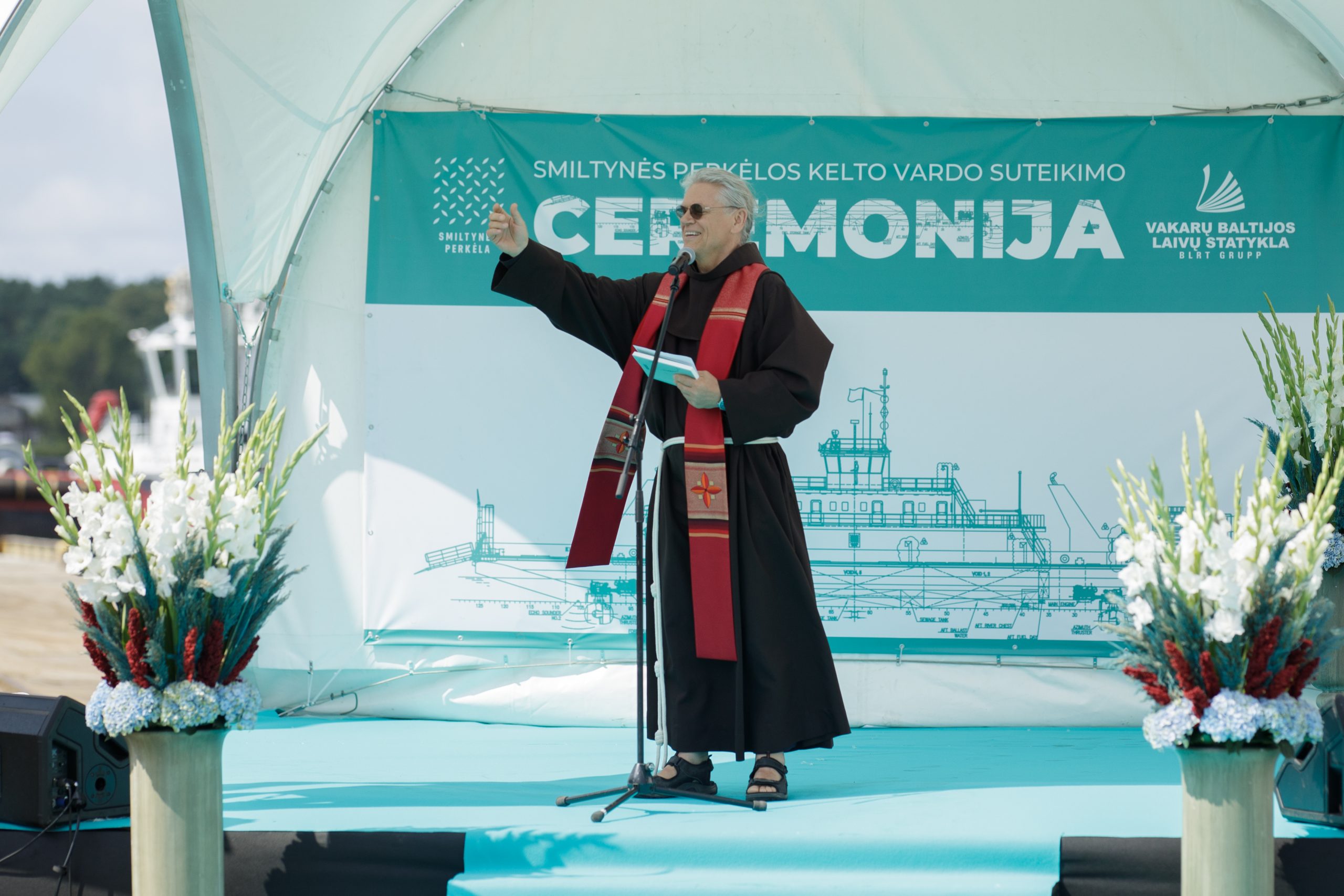
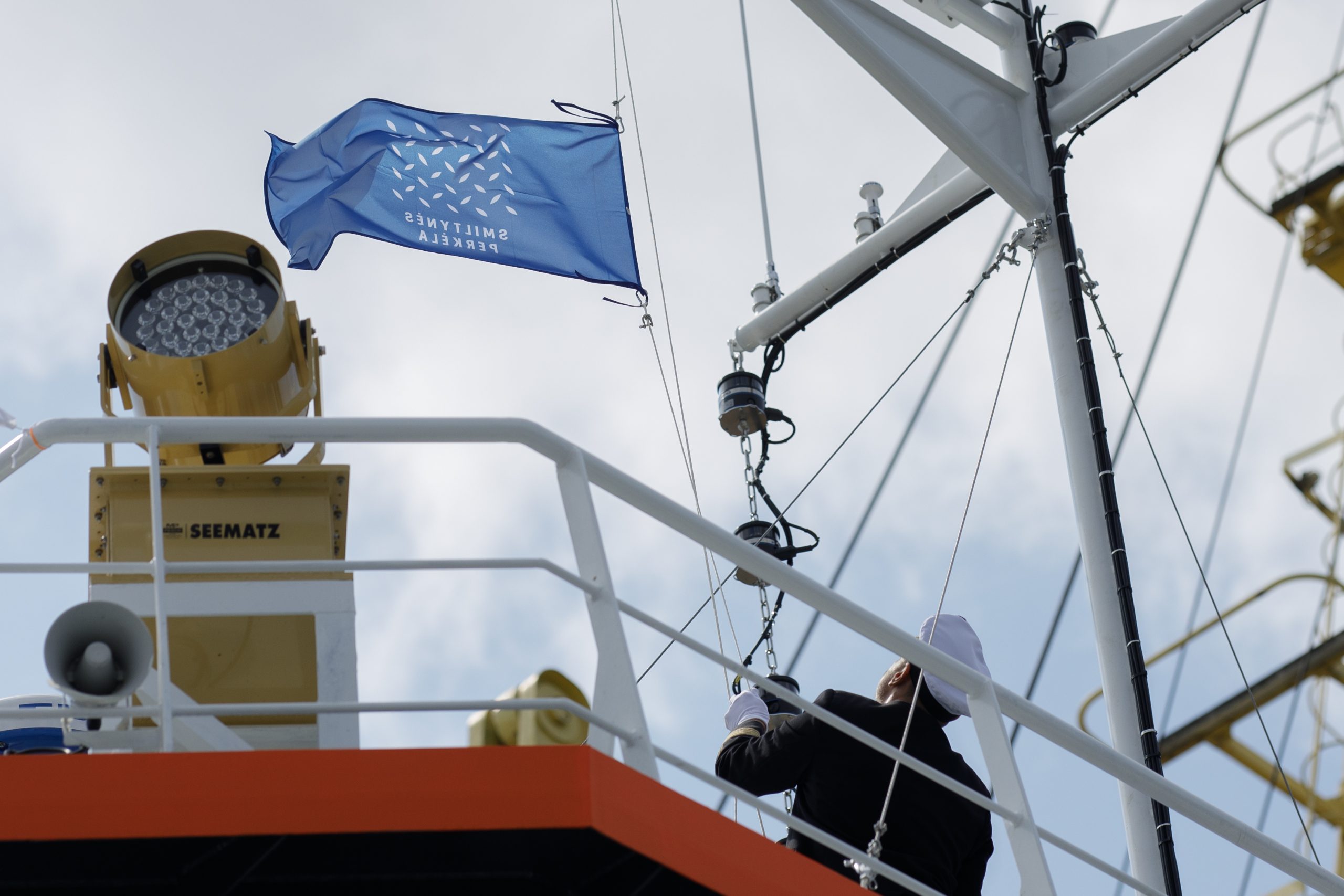
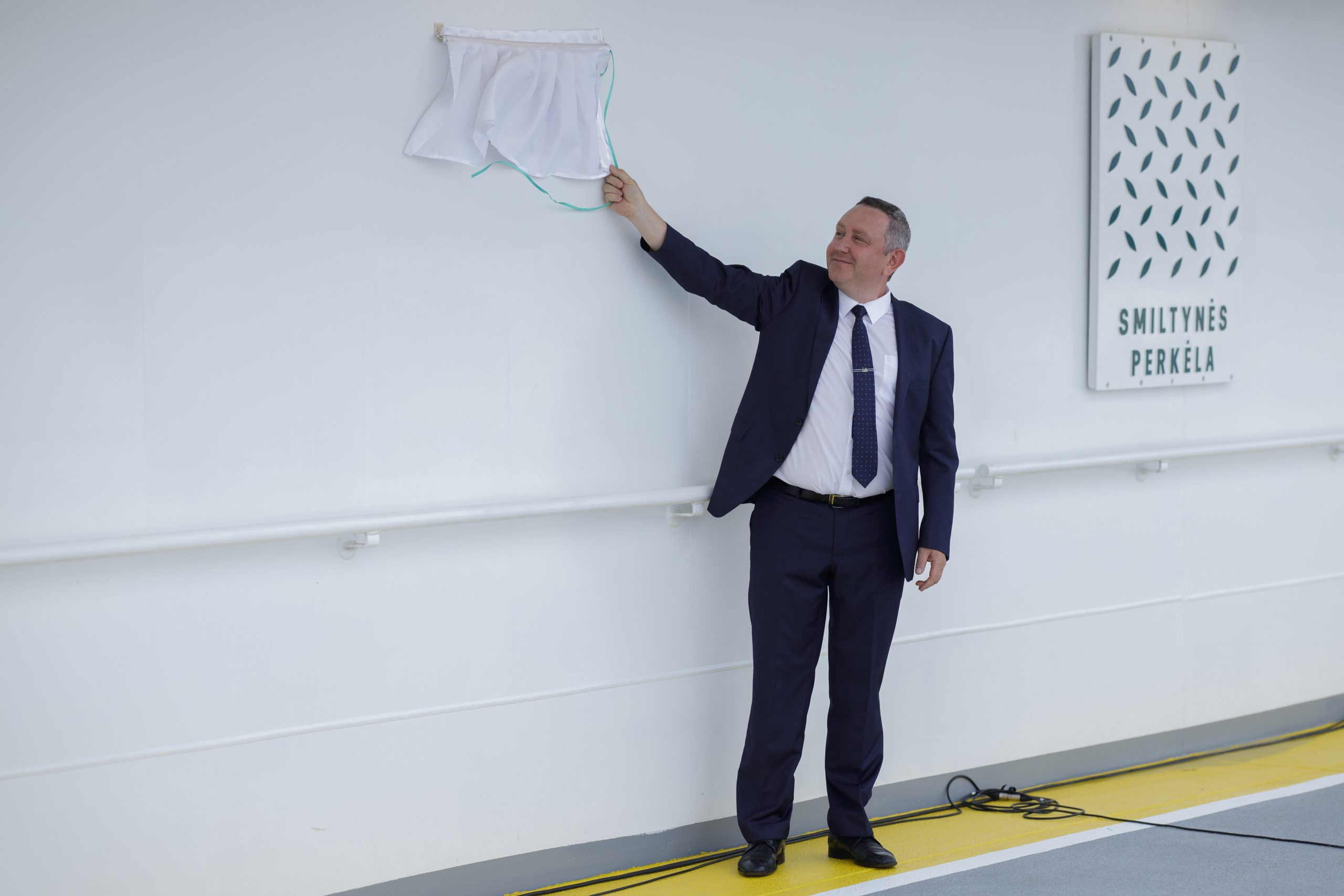
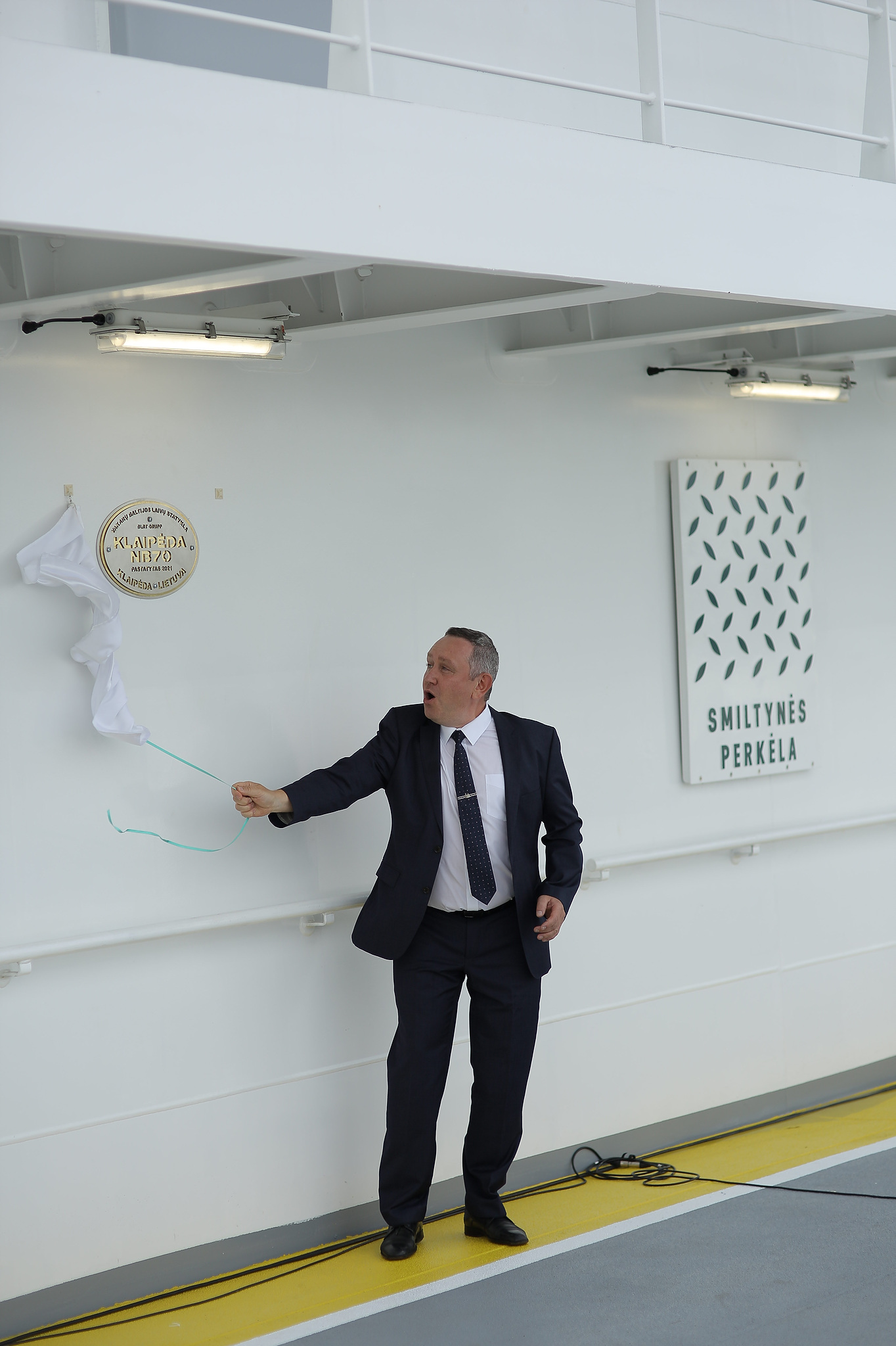
On Friday, 23 July 2021, the newly built ferry was officially given Klaipėda name. Olga Žalienė, the long-term Head of the Lithuanian Maritime Museum, was chosen as the Godmother of the ship, and Mindaugas Butilkinas, Captain of inland waters, as the Captain of the ferry.
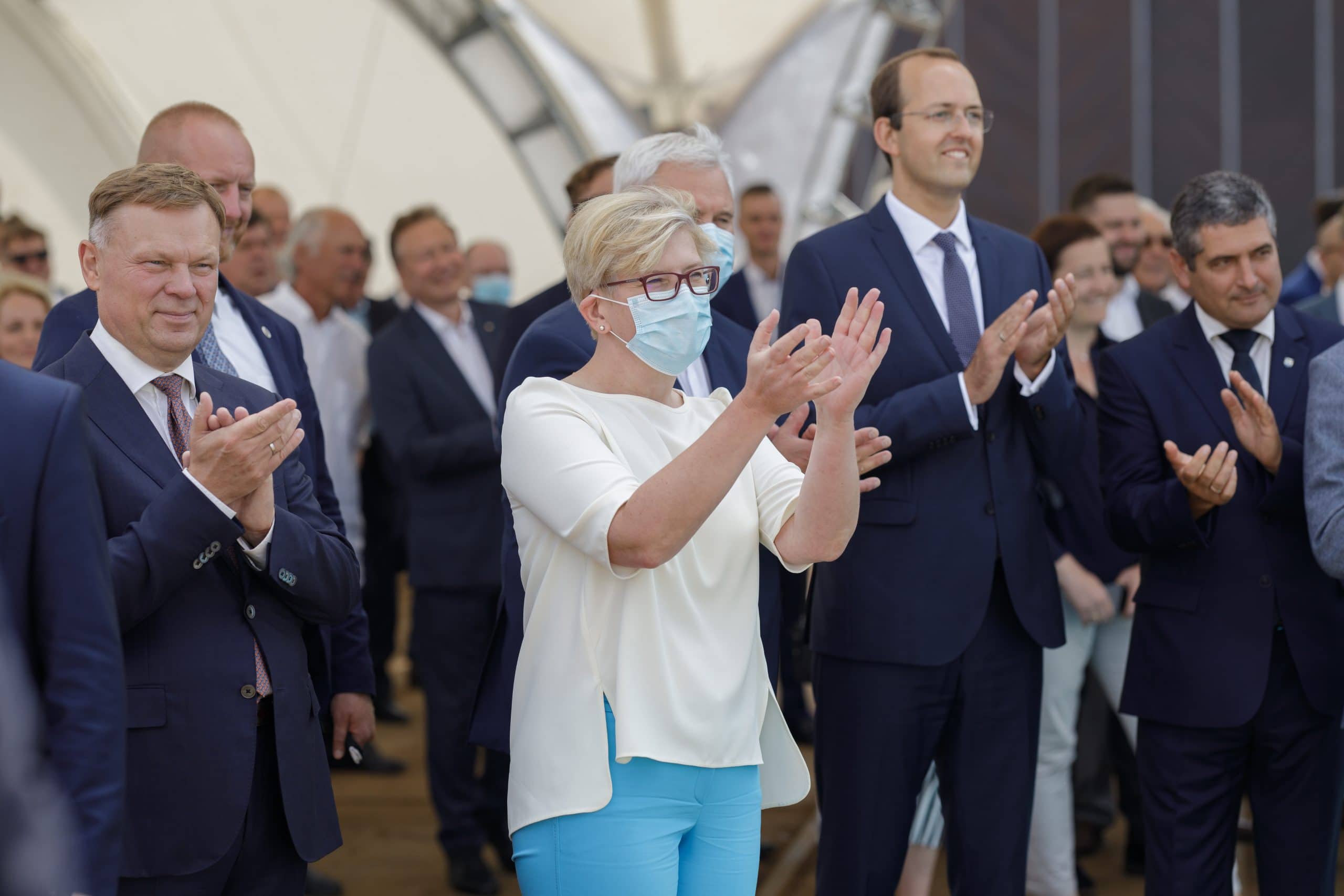
Ingrida Šimonytė, Prime Minister of the Republic of Lithuania, honoured the ceremony with her visit. She wished the ferry serve the people smoothly and thanked the customers and builders for their contribution made not only to the Lithuanian economy but also the global economy, as well as for showing thought for the development of environmentally friendly shipping.
‘We are very proud of our country’s public and private capital companies creating products in Lithuania that can be envied by all. That is the companies with know-how and the ability to both design and create high value-added products for turnkey projects. Today we are here to celebrate an exceptional event. The ship to be given a name has to be baptized to protect it from rigours and dangers at sea. The history of this ship starts here and now, and I believe that you have been the creators of many such histories so far, and perhaps, you are involved in creating them as partners while being an integral part of the global world and global creativity. It is truly gratifying that the Klaipėda ferry meets the highest environmental protection requirements. This is especially important. All of Europe, the major countries of the European Union, are aware of the consequences of climate change. Each new solution that allows us to achieve a greater sustainability is a big step forward. I take pleasure in saying ‘thank you’ to everyone who contributed to the construction of this ship both with their own hands and with their ingenuity. I wish you the best of luck and a favourable wind,’ said I. Šimonytė.
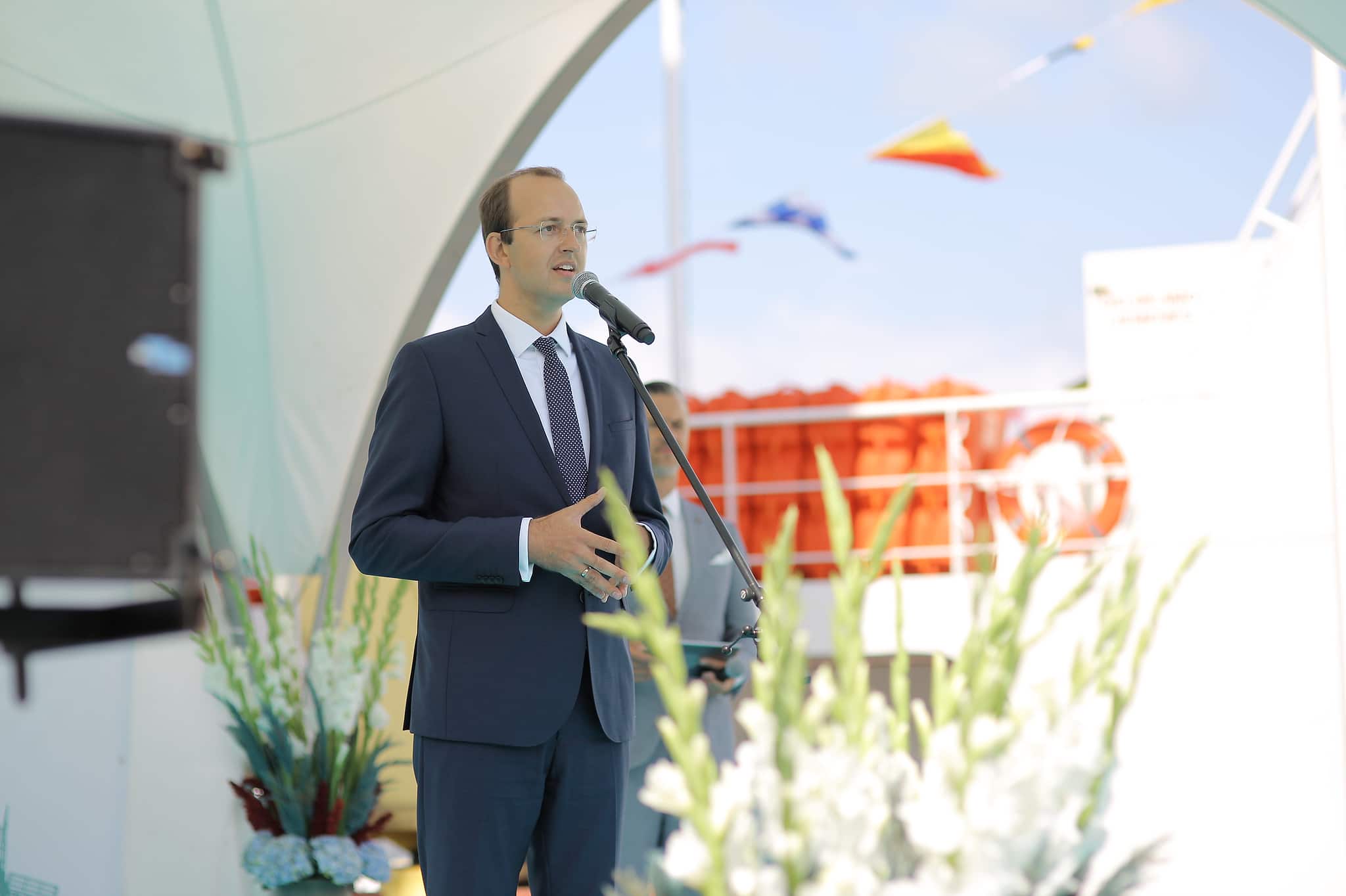
During the solemn ceremony, the customers and builders of the ship were also congratulated by Marius Skuodis, Minister of Transport and Communications of the Republic of Lithuania. According to him, by designing and building ships, we are opening up new opportunities for development of the Lithuanian marine engineering industry.
‘Being here today, at the name giving ceremony of the new Lithuanian ferry, we can be proud of our companies. It is especially gratifying that the new ferry for Smiltynės Perkėla was built not elsewhere but in Klaipėda. It is a great example of cooperation between the state, the city, and businesses, showing the development of our maritime ambitions through real work. The fact that we are building new ships that sail with our country’s tricolour is what strengthens further our image of a maritime state, the fleet itself, and maritime traditions,’ said the Minister of Transport and Communications at the ceremony.
The 6.5 million-euro contract for the construction of the universal passenger/freight ferry was signed between Smiltynės Perkėla, AB and WBS in May last year, and the construction work started in September. The design of the ship was developed by Western Baltic Engineering, another company of the WSY Group.
The 60m long and 14m wide ferry will be able to carry up to a thousand passengers, or at least forty cars and six hundred passengers, or eight trucks with a total weight of up to 44 tons each. The ferry will operate at both the New and Old Ferry Terminals.
Valdemaras Vaičekauskas, Chair of the Board of Smiltynės Perkėla AB, stated that the new ferry joining the ranks of the ships will further improve the quality of services provided by the company, which will result in the growing volume of work as well. The company’s strategy also includes investments in the development of environmentally friendly shipping and the improvement of infrastructure.
‘It is symbolic that the Klaipėda ferry was designed and built by a shipyard operating in Klaipėda. This is a significant contribution to the improvement of local transport, the creation of community well-being, and the economy of our country. We say ‘thank you’ to the shipbuilders for their competence and professionalism. Guided by the principles of sustainability and green practices, we also have thoughts of building an electric ferry in the future. We will continue to improve the quality of passenger service: already this autumn, the capacity of the terminal will be expanded to 10 lanes, while the reconstruction of quays and the construction of a new passenger service building are scheduled for the next year. We plan an investment of up to 20 million euros in the improvement of passenger and transport service infrastructure over three years,’ said V. Vaičekauskas.
Arnoldas Šileika, CEO at the WSY Group, thanked the customers for their trust, and the employees for their earnest work and efforts in implementing the project important not only for Klaipėda but also for the whole country.
‘The order submitted by Smiltynės Perkėla, AB to the companies of the WSY Group is especially important, as well as it has provided an opportunity for our shipbuilders to realise their professional ambitions. Now we will have an opportunity to see with our own eyes how a ferry, that has been created and built in Klaipėda through the effort of people of Klaipėda, runs in the port city carrying passengers. I hope that the Klaipėda ferry will serve our customers, Smiltynės Perkėla, AB, durably and reliably, while safely connecting the shores of Klaipėda and Neringa,’ said the CEO of the WSY Group.
News
Western Shiprepair, in cooperation with majority of the other companies of the WSY Group, is implementing several complex and large-scale ship repair projects commissioned by a long-term customer, the Belgian company DEME Group. Upon the successful completion of these projects, more ships owned by this company are expected to arrive for repairs during the summer.
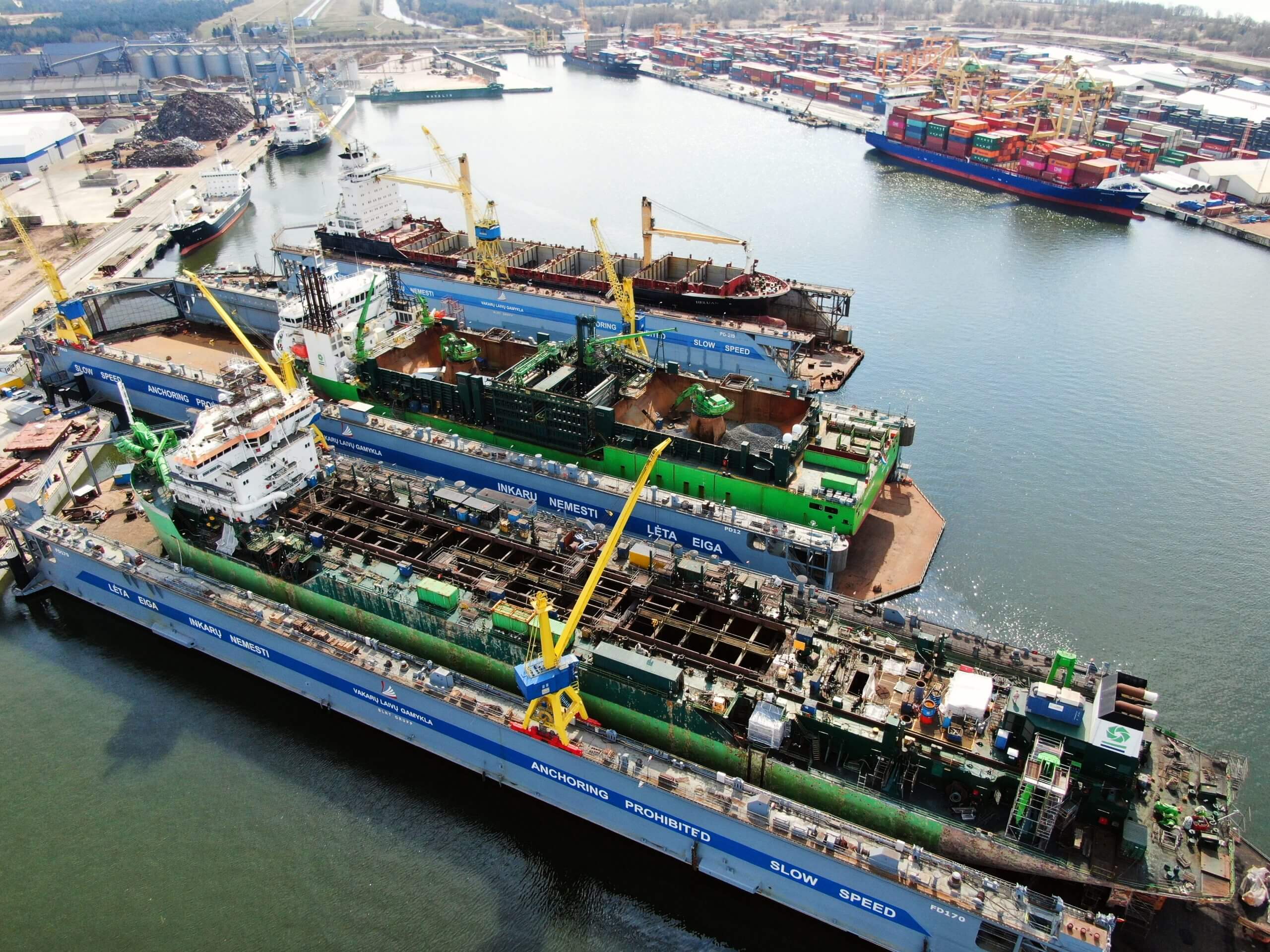
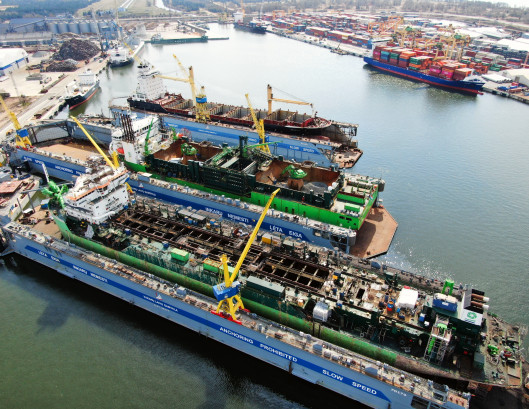
The docks are occupied with ships from DEME
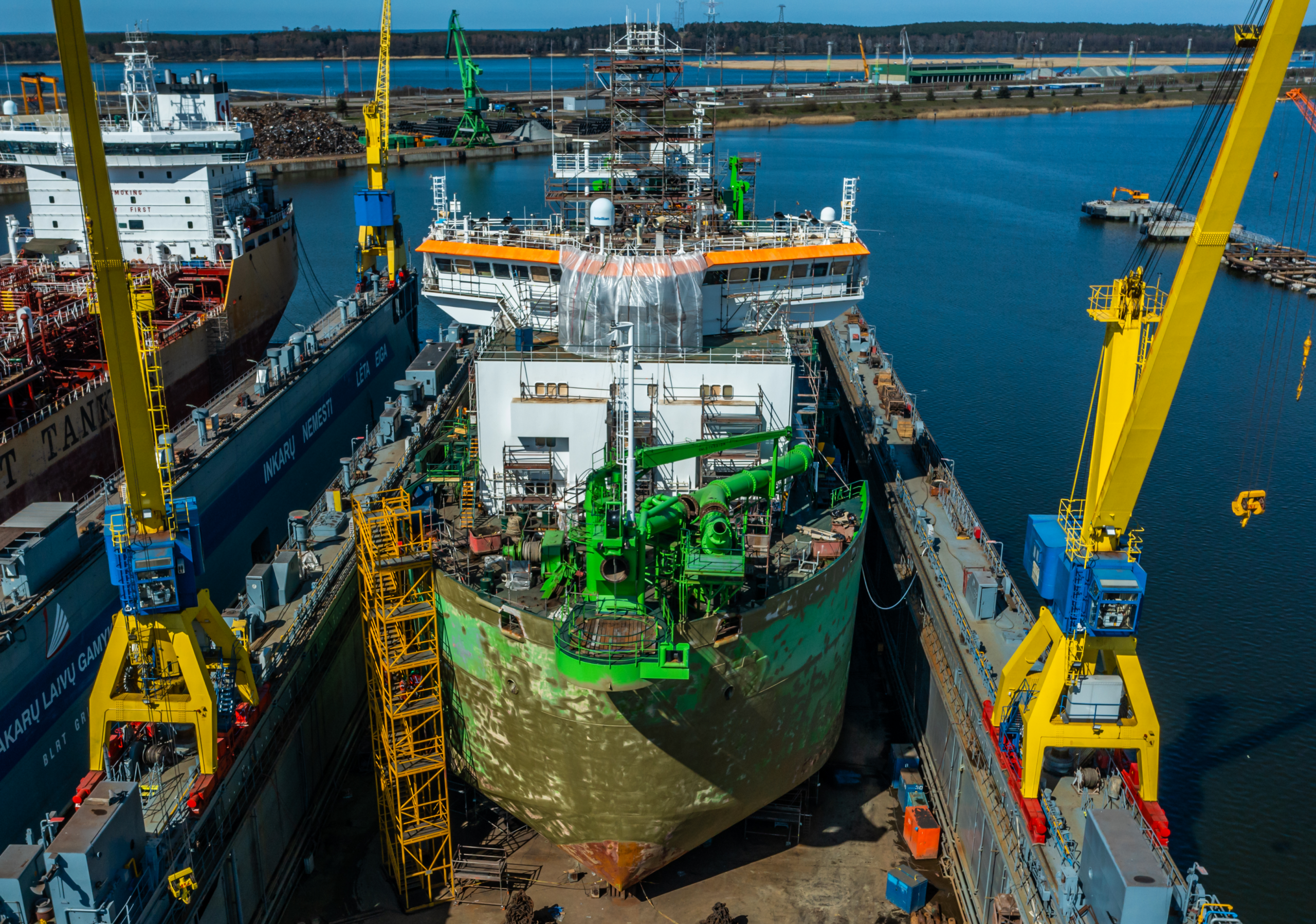
The repairs to FLINTSTONE, a 155m long and 32m wide ship, have recently been completed in the PD-12 dock, which is the largest floating dock in the Baltics. Our ship repair team managed to carry out the large-scale repair work within an extremely short time – just three weeks!
At the same time, repairs to PEARL RIVER, another ship from DEME Group, continues at the PD-170 dock of the WSY Group. PEARL RIVER, which is a 182m long and 28m wide dredger, will undergo major repairs carried out by the Western Shiprepair team. All the companies of the WSY Group will be supporting the dredger’s repair process, which is scheduled to take 112 days.
According to Viktor Kleščioniok, Head of the Project Management Department at Western Shiprepair, the effort required for the implementation of these projects is not limited to the performance of a technologically complex work that needs to be completed within short deadlines. It also involves the need to ensure maximum compliance with the highest safety requirements and the efficient organisation of all the necessary processes.
Successful cooperation with the customers’ company
‘During many years of co-operation, we have managed to establish a close cooperation with the representatives of DEME Group, have earned their trust, and therefore all issues that arise are resolved promptly and smoothly,’ stated Mr. Kleščioniok.
‘We have been working together since 2006 and during all this time, we have never faced any difficulties in solving production or finance related problems, or when there has been a need to find a compromise. We try to adapt to the customer’s needs, adjust ship repair schedules before the arrival of the ships, ensure smooth working practices, which is why the customer appreciates our efforts and returns with more and more new orders. It is gratifying that the representatives of DEME Group have noticed the progress made by our company since our first order, and are willing to continue this collaboration. This not only allows us to increase the workload at Western Shiprepair but also increase the volume of work for the other companies of the WSY Group,’ said the Head of the Project Management Department of Western Shiprepair.
News
Western Shiprepair (WSR) is making its way into wider markets and implementing an increasing number of ship repair projects. Following the successful completion of one of such projects last year, the customer assessed the company’s capacity and placed another ambitious order.
An intensive work period for the WSR team continues. Stolt-Nielsen Limited, an internationally known Dutch shipping company, has placed an order with WSR for the repair and modernisation of six ships. Due to the significantly increased workload, WSR entrusted the repair of two of the ships to its colleagues in the Tallinn Shipyard.
In the third week of April, STOLT GREENSHANK, the first repaired ship belonging to the Dutch company, left our quays. The WSR team carried out routine repairs on the near 91m long and 16m wide tanker built a decade ago, in order that it can satisfy the requirements set for its class, as well as performed the modernisation of the ship by installing a ballast water treatment system (BWTS). As soon as the ship had left, its place in the dock was taken by another tanker, STOLT BASUTO, a 159m long and 25m wide vessel that was also repaired and modernised.
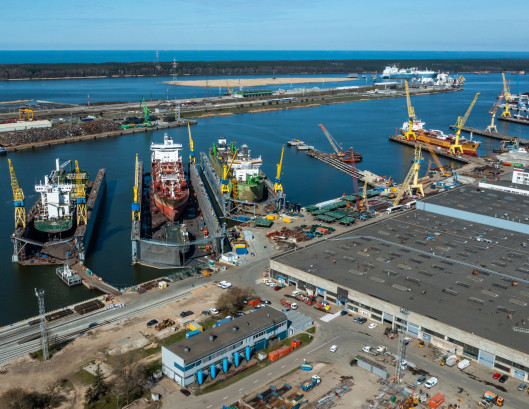
The increased docking capacity is what has helped WSR establish sustainable cooperation with its Dutch customer. With the launch of the PD-12, the largest floating dock in the Baltics, WSR is able to accept larger vessels for repairs, which was not possible before.
In the second half of April, the third ship of the customer’s company, STOLT VIKING, a tanker of an impressive size, was docked in the PD-12 floating dock. The 166m long and almost 27m wide tanker is scheduled to be repaired to meet the requirements of its class. The last and the largest of the four Dutch ships, the STOLT INNOVATION, having a length of 177m and a width of 31m, is already moored at the quay of WSR and is waiting for its turn. This ship will also be subject to renovation according to the requirements of its relevant class.
According to Andrius Valantiejus, Director of WSR, upon starting to operate all three available docks, new perspectives opened for the company in terms of increased ship repair capacities, attracting a greater number of complex large-scale projects, and earning the name of a professional and reliable partner, constantly seeking new opportunities for growth, in the eyes of existing and new customers.
The Director commented, ‘The prospect of increased capacity for ship repairs has allowed us to secure an even stronger position in the competitive ship repair market. This provides for a more rapid growth both in the capacities and workload of the company, and employee qualifications, and to create a higher added value leading to increased profits, which in turn allows us to improve working conditions for our employees. We aim to try to keep following our chosen strategy and implement technologically complex and ambitious ship repair projects for vessels of specific purposes.’
News
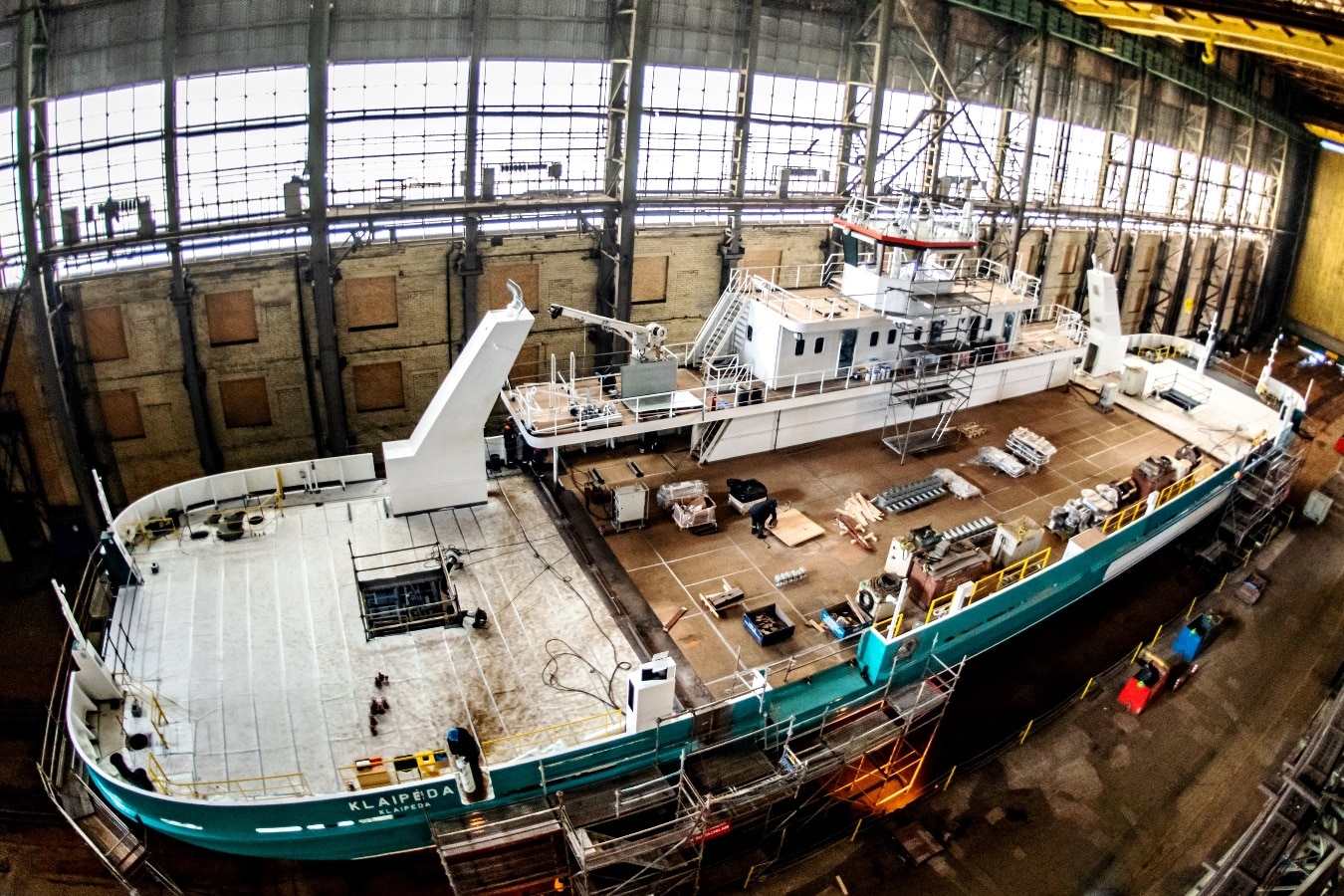
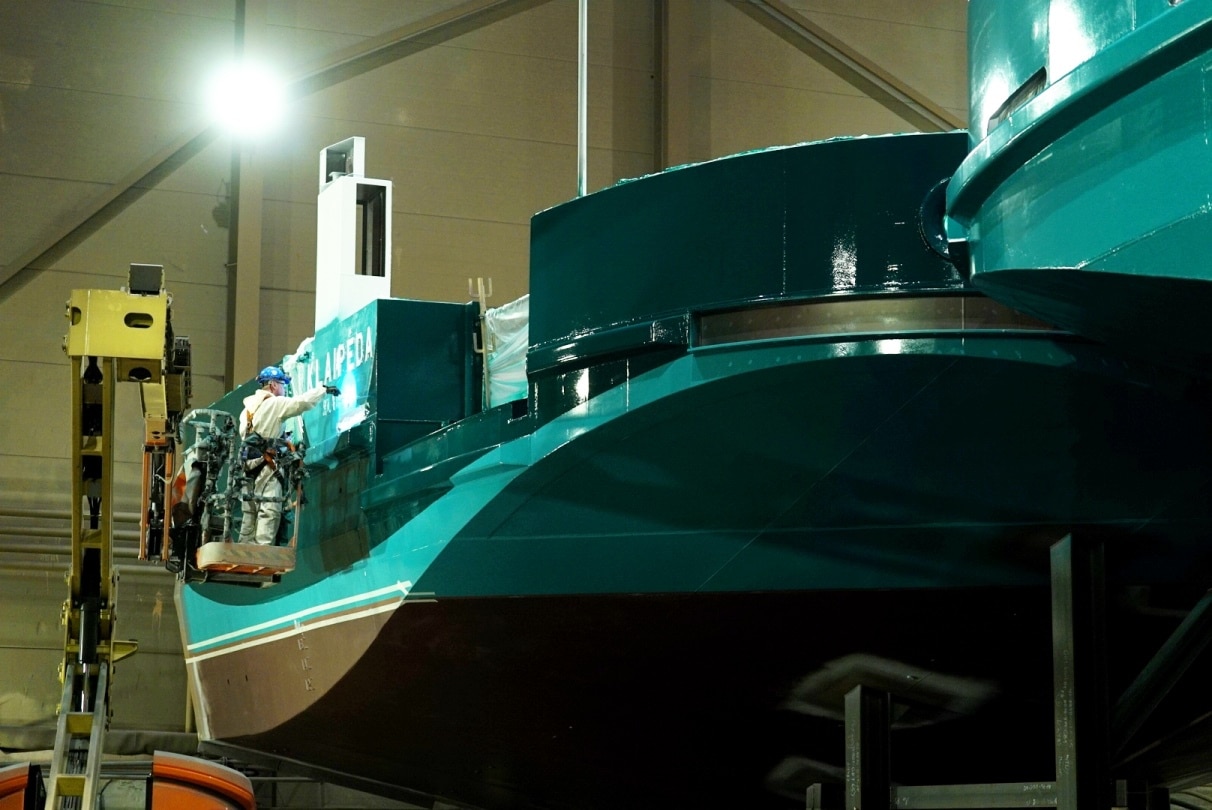
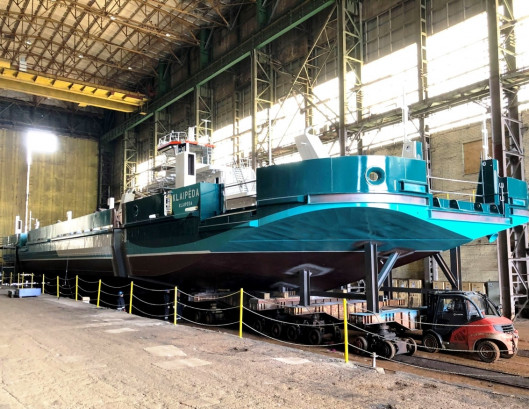
On Thursday, April the 8th, the hull blocks connection ceremony of the new ferry for Smiltynės perkėla took place. This event marked the beginning of a new stage in the construction of the ship. According to Western Baltija Shipbuilding (WBS), who carries out the construction work of the ferry, the ship will be launched already in July.
Smiltynės perkėla signed a 6.5 million euro contract for the construction of the ferry with WBS, a company of the Western Shipyard (WSY) Group, in May last year, and the construction work started in September. The whole project, starting with the design of the ship up to its construction and delivery to the customer, is performed by the Lithuania-based companies of the WSY Group.
Smiltynės perkėla ferries are special ships
‘Smiltynės perkėla ferries are special because they are the most popular ships, carrying the largest quantities of people in the country. We are glad that one of them has been built by the WBS team. Shipbuilding is a complex globally competitive business and most of the ships we build are delivered to Scandinavia, Germany and other countries. Therefore, every ship that remains in Lithuania gives us additional joy,’ says Arnoldas Šileika, CEO of WSY Group.
‘The flow of passengers moving via the lagoon is constantly growing, and so is our responsibility to passengers. Over 2 million passengers make use of the services of Smiltynės perkėla ferries annually, as well as we transport over 700 thousand vehicles. The new ferry will undoubtedly improve the quality of our services,’ states Mindaugas Čiakas, General Manager of Smiltynės perkėla.
Based on the order of Smiltynės perkėla, WBS is building a 60 m long and 14 m wide universal passenger/cargo ferry. The ferry will be able to carry up to a thousand passengers or at least 40 vehicles and 600 passengers, and will have modern equipment that meets the highest safety and fire safety requirements. The uniqueness of the project is determined by the fact that the ferry is not a ship of serial production but a ship built according to the specific needs of Smiltynės perkėla, AB. The ferry is scheduled to operate at both the New Ferry Terminal and the Old Ferry Terminal.
Traditional ceremony
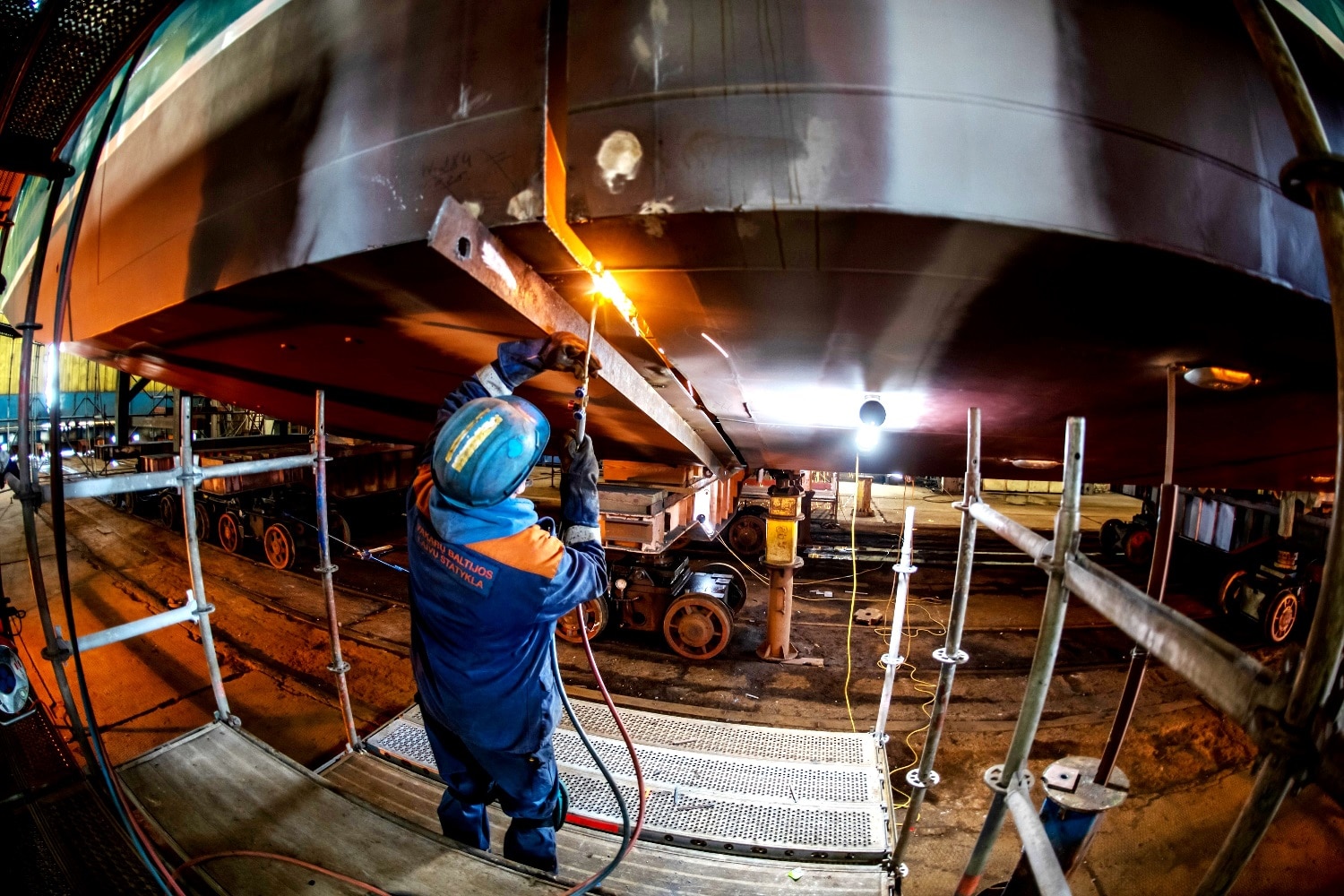
The traditional Keel-Laying Ceremony that took place on Thursday marks a new phase in the ship’s construction process. During it, a plate with the names of the customers and builders of the ship together with two coins of the respective countries (in this case, euro coins with depictions of Vytis, a symbol from the emblem of the Lithuanian State, on the obverse) are welded in between the ship’s sections to be connected.
Western Baltija Shipbuilding (WBS) is the largest and most powerful shipbuilding company in the Baltic States. Together with another 20 Lithuanian companies, it forms the Western Shipyard Group, employing 1,800 people. Last year, the turnover of the Western Shipyard Group totalled 110.4 million euro. Turnkey coastal patrol, research, multifunctional and fishing ships, ferries and cruise ship blocks built by WBS are exported to Germany, France, Norway, Finland, the Netherlands, Denmark and other countries.
WBS, being engaged in the construction of a German coastal patrol vessel at the moment, has previously built Mintis, a turnkey research vessel for Klaipėda University; Gitte Henning, the first fishing vessel of Independent Lithuania; Wind Lift-1, a 103 m long vessel that was one of the first ships for building and servicing offshore wind farms in Europe; as well as has implemented many other momentous projects.
News
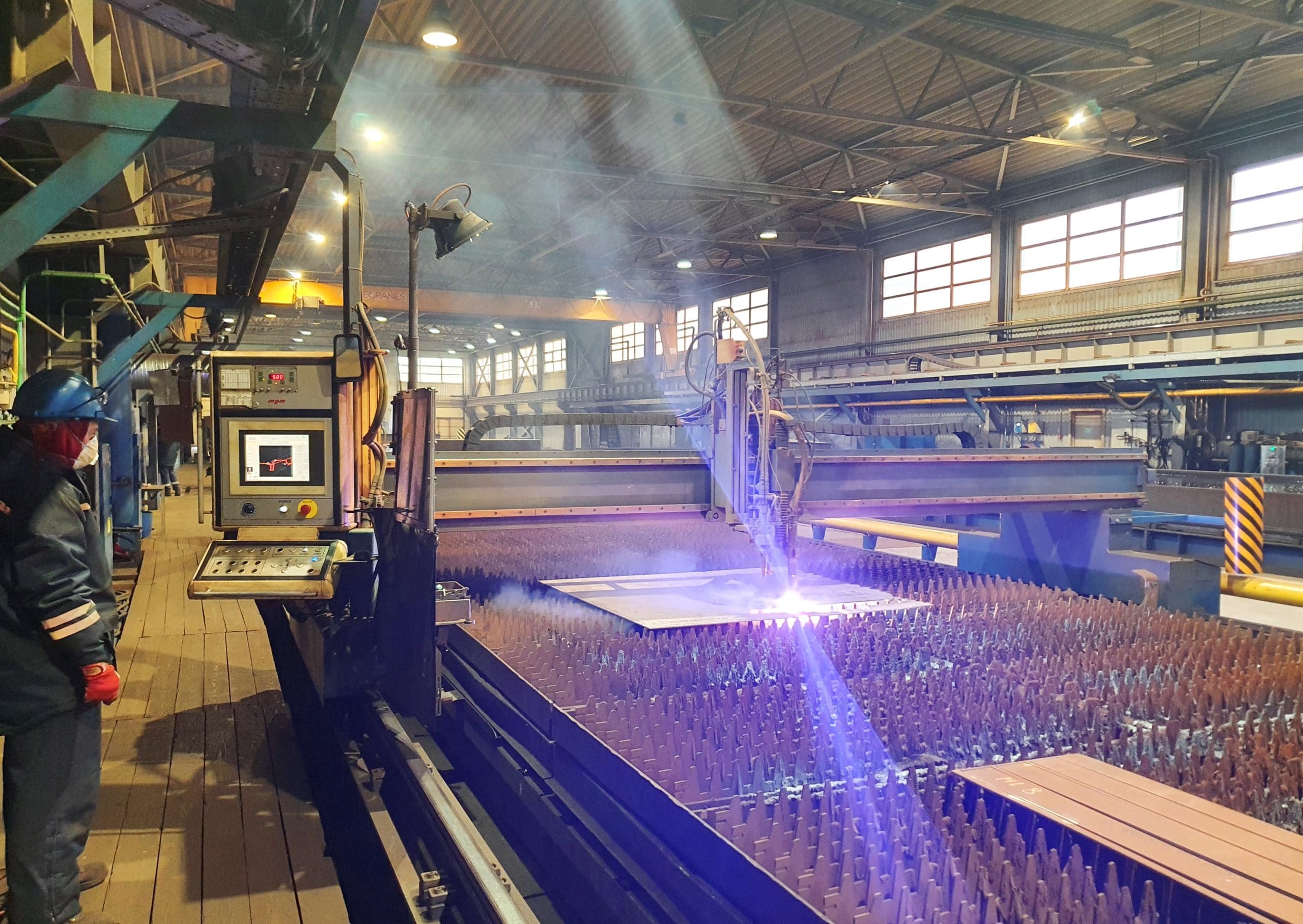
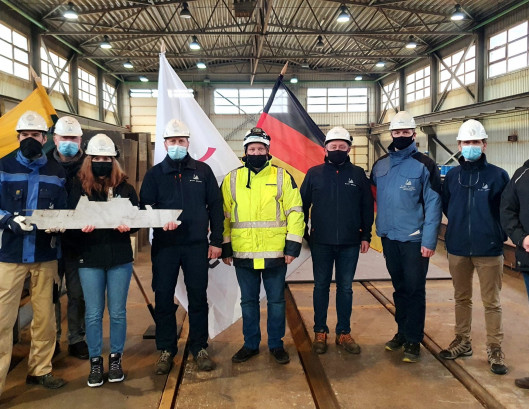
On Monday 29th March, Western Baltija Shipbuilding (WBS) held the Steel Cutting Ceremony to mark the start of construction of a new (partially equipped) hull. It will be the third hull an offshore patrol vessel to be built by WBS for German company. The vessel will be used by the German Federal Police.
The construction of the 86m long and 13m wide hull with the classic naval architectural features is to be completed by the WBS team and handed over to the customer by the end of November this year.
It is a modern ship, the construction of which requires deep technological knowledge on the part of the highly qualified WBS team members and engineers. The hull built by WBS will meet all the latest design, technology, and environmental protection requirements, to which the customer also pays special attention.
This hull like the other two analogous hulls built two years ago and partly equipped by the WBS team, will patrol German North and Baltic seas.
According to Vitalij Frolov, Director of WBS, the fact that Germany, a country famous all over the world for its modern shipbuilding companies, has decided to entrust an order of this scale and complexity to the Lithuanian shipyard is a significant recognition. WBS has been successfully building ‘turnkey’ ships and partly equipped ships for various purposes for several decades.
Arnoldas Šileika, CEO of the WSY Group, said that such orders are a part of the strategy that the company is consistently developing, in order to successfully establish itself in the segment of innovative shipbuilding that creates increased value.
‘Today, at the time of a global economic downturn, each new order is important to the company. New projects allow us to ensure the sustainable operation of the company, to preserve jobs, to make use of the accumulated experience and competencies that we have, and to create added value not only for the companies of the WSY Group, but also for the whole of Lithuania. Shipbuilding is a complex business, involving competition on a global scale and many market participants, therefore we would like to thank our customers for their trust in us, further cooperation and continuing partnership,’ said Mr Šileika.